Hawker Tempest II
Price : $ POA
Aircraft Information
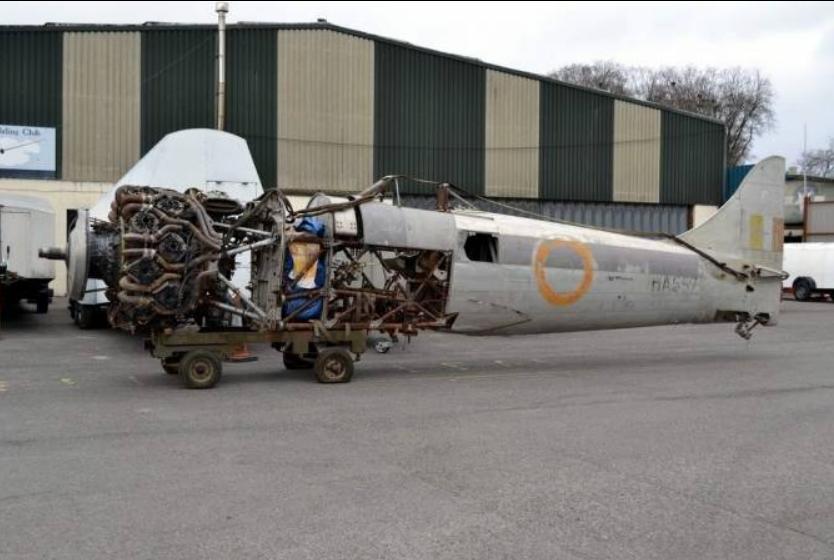
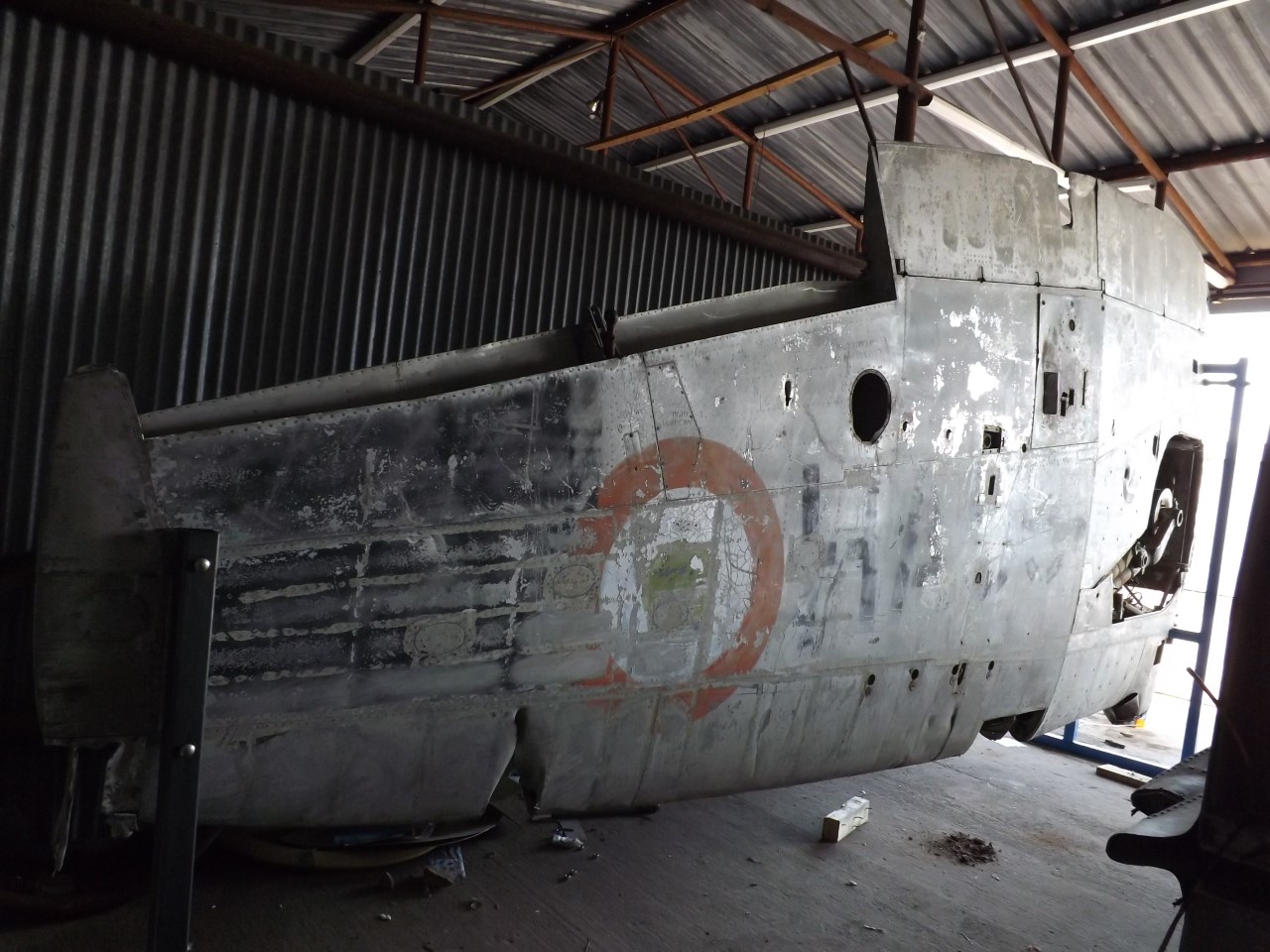
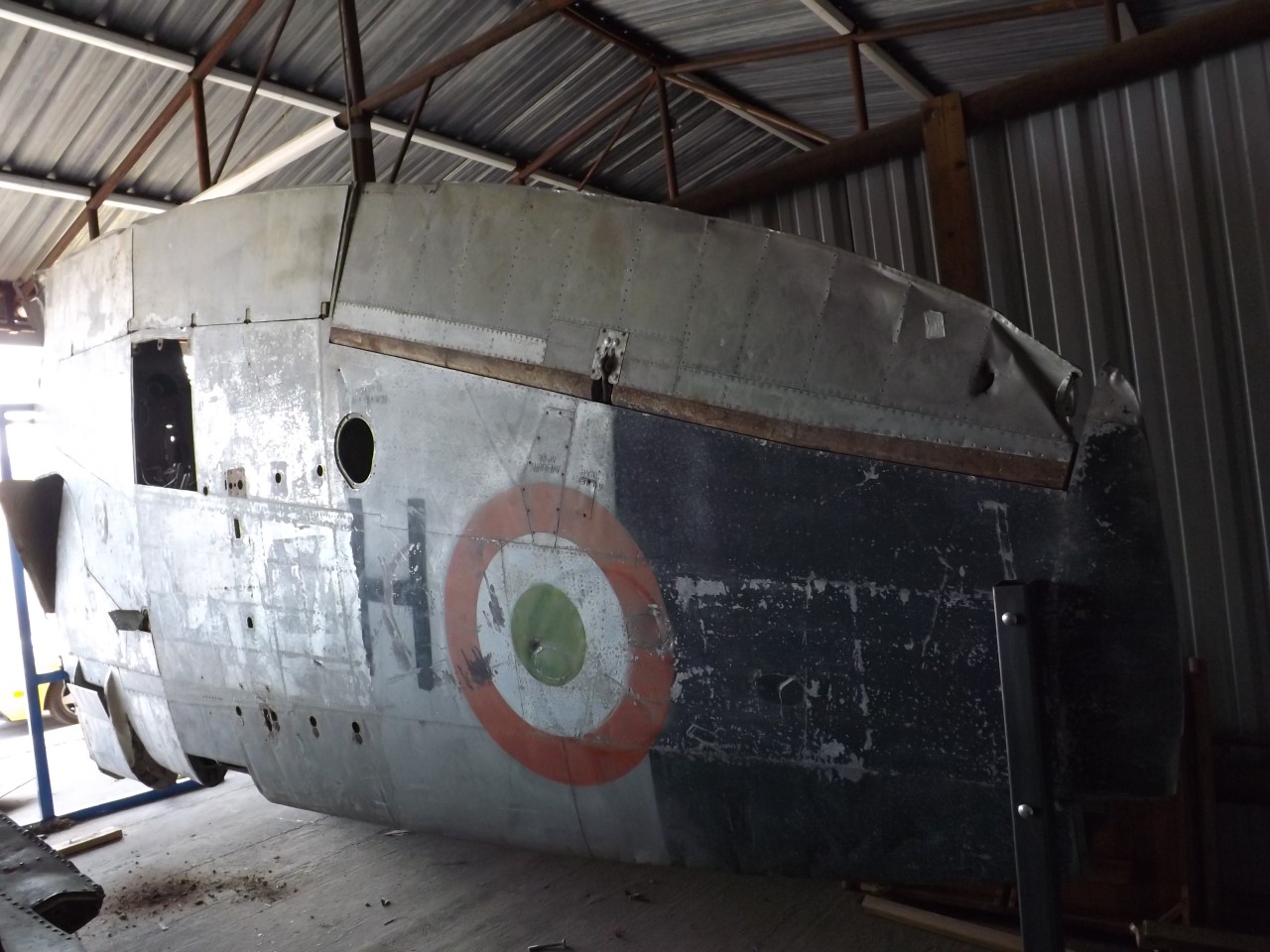
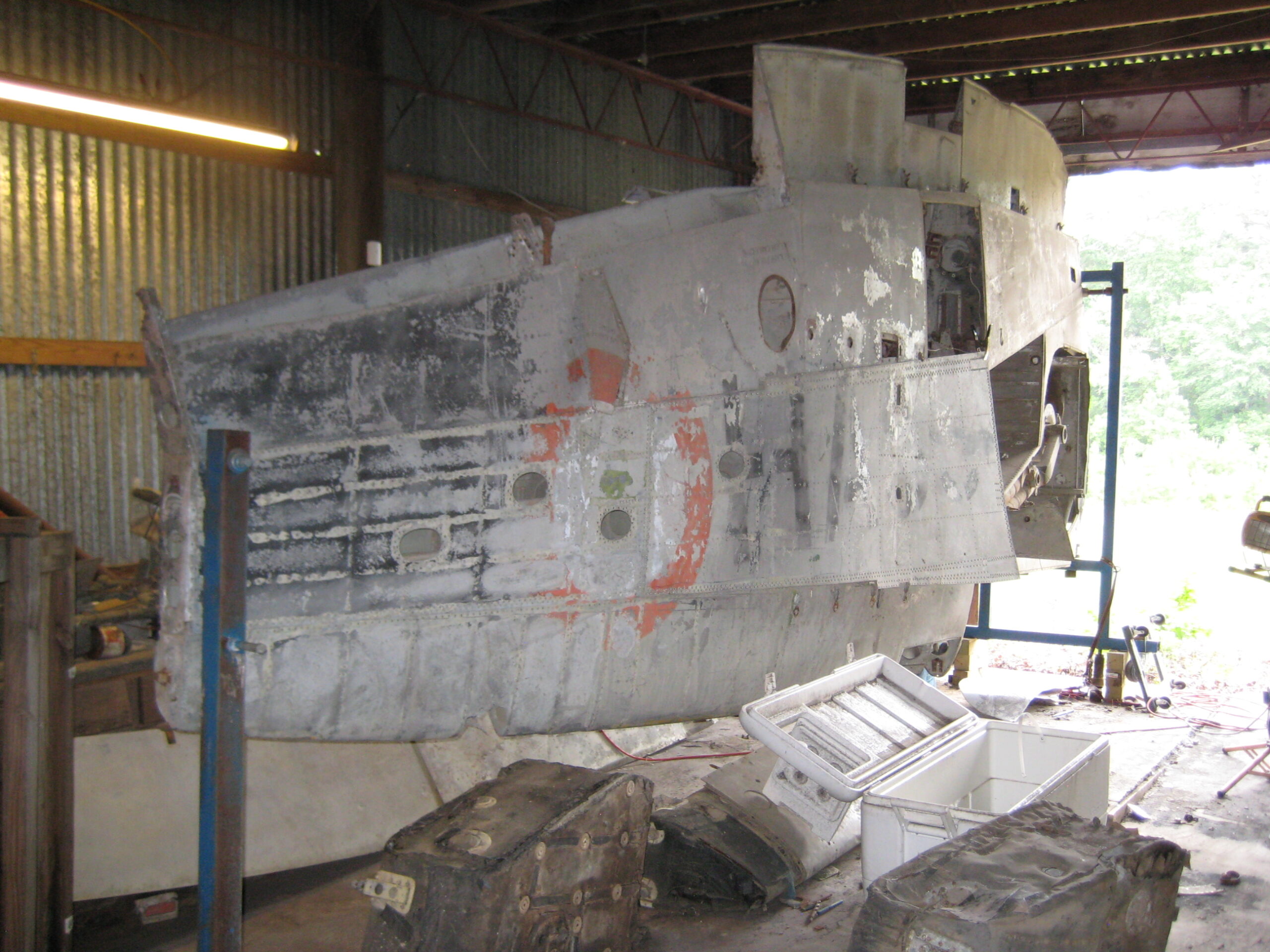
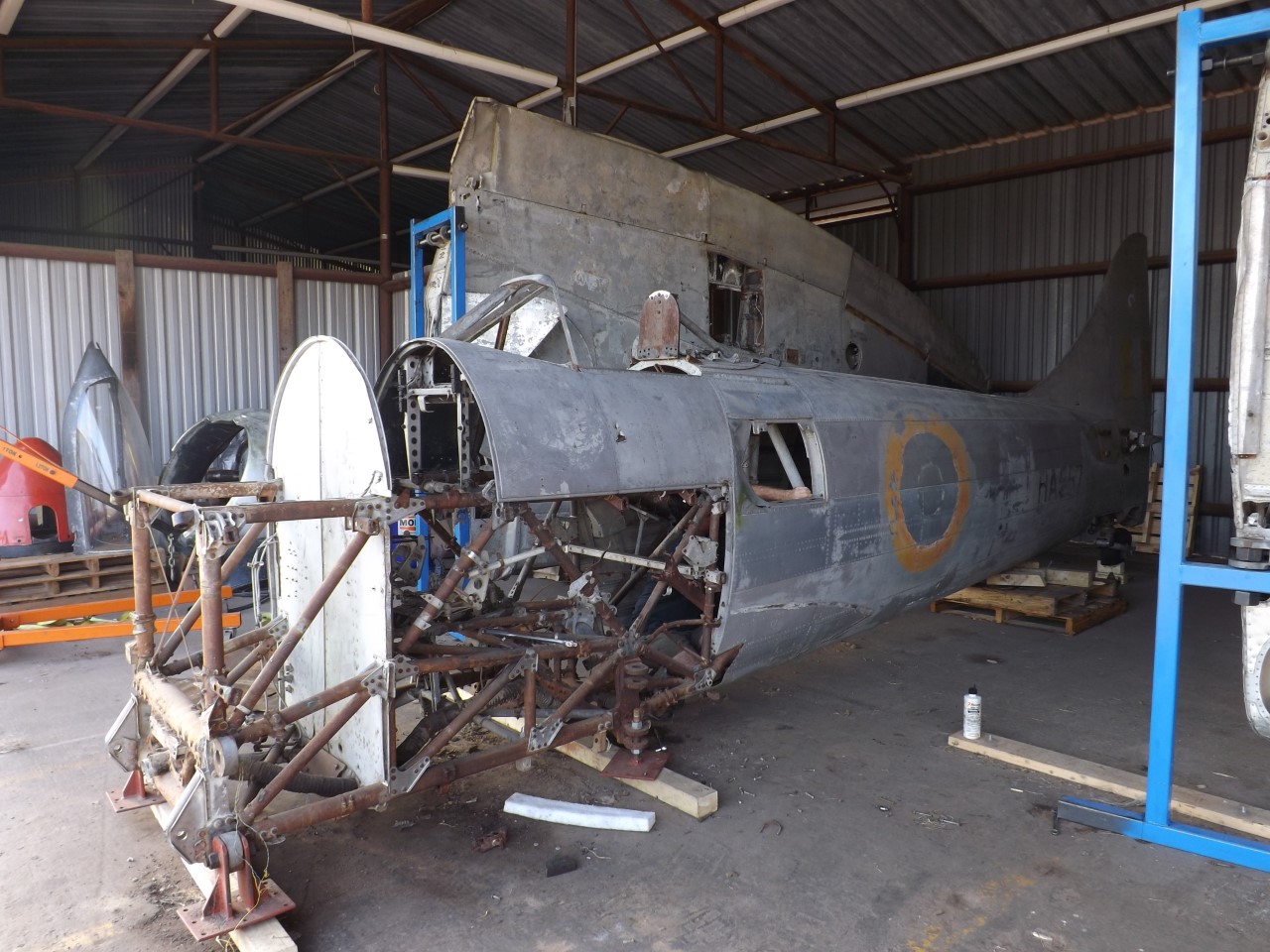
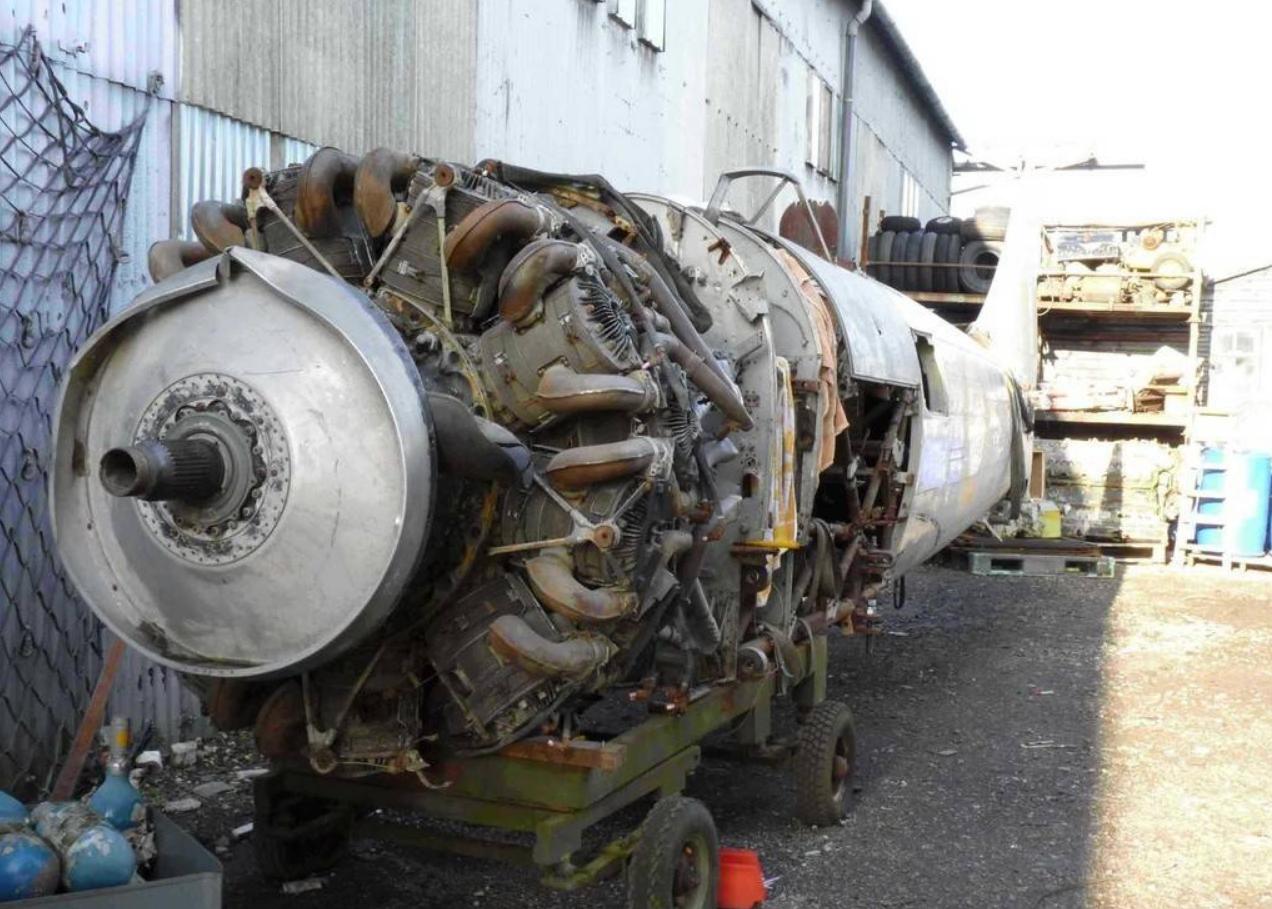
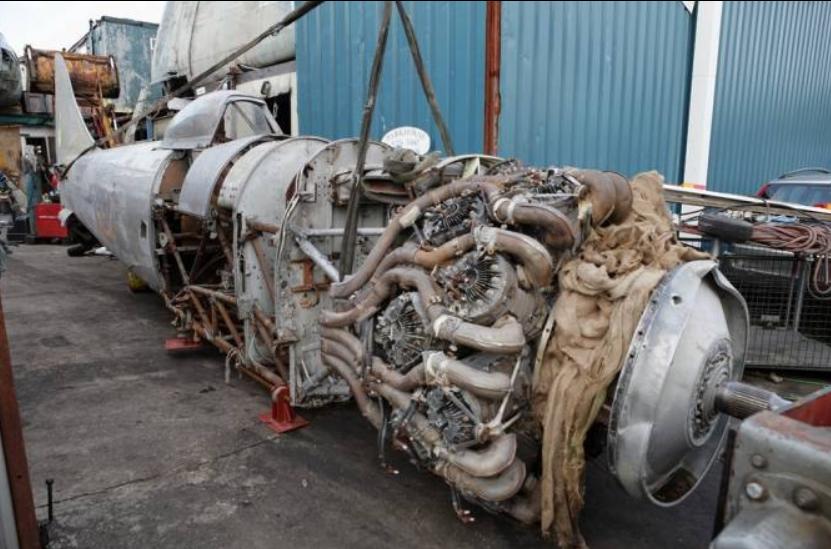
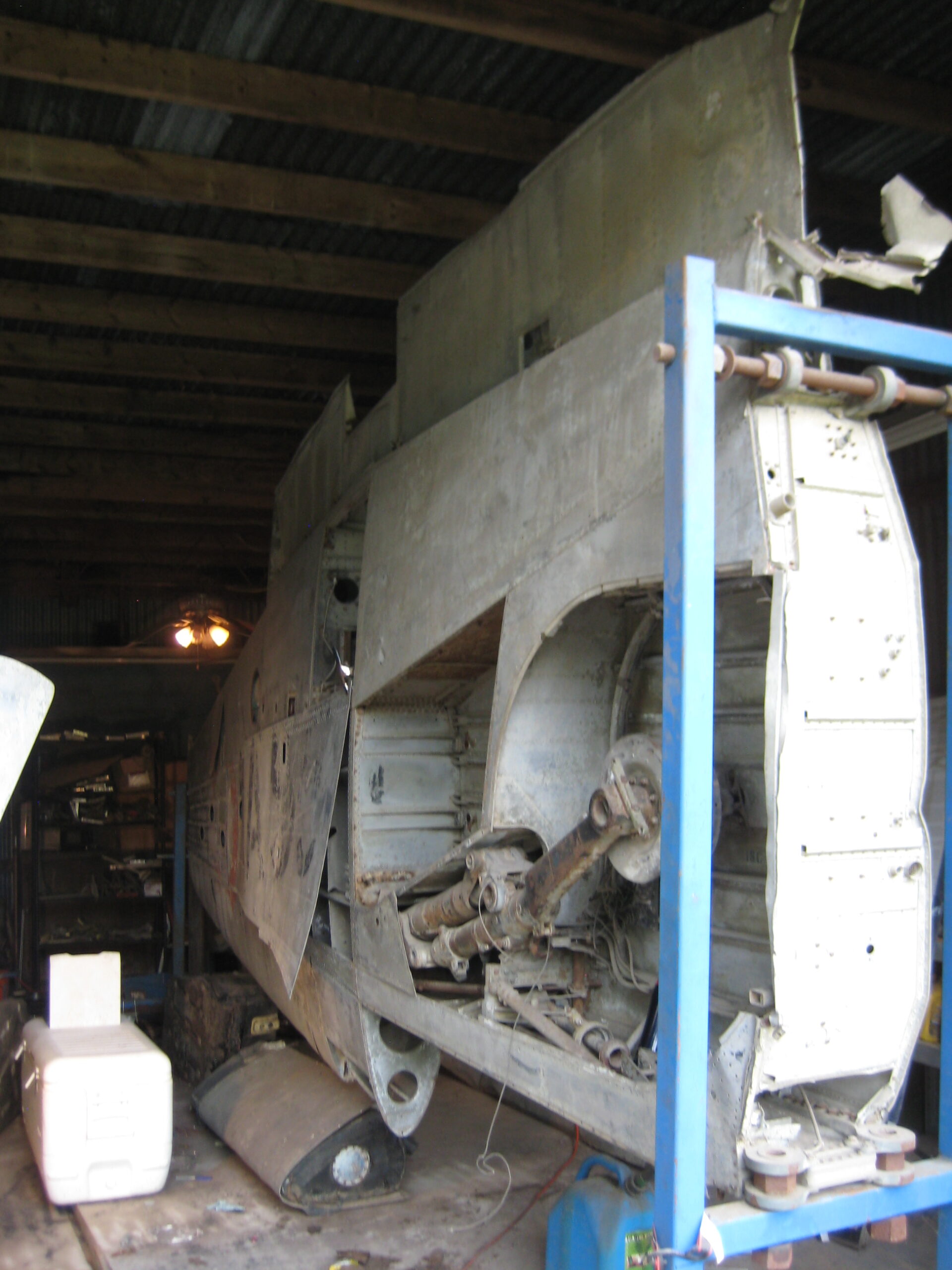
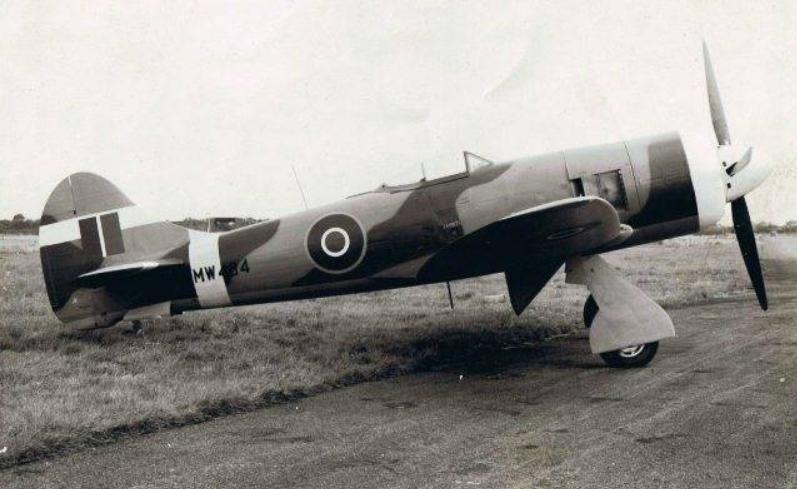
MW 404 is a surviving World War II-era Hawker Tempest Mk.II fighter aircraft, powered by a 2590 Horse Power Bristol Centaurus radial engine.
Built in 1945, it served in the Royal Air Force before being sold to the Indian Air Force, and is currently undergoing a long-term restoration in the United States.
SERVICE HISTORY
RAF Service: Built in 1945, MW404 originally served with No. 247 Squadron of the Royal Air Force, stationed at Chilbolton in Hampshire, England. Indian Air Force (IAF): After a few years in the UK, the aircraft was refurbished by Hawker and sold to the Indian Air Force, where it entered active duty in 1948.
Decoy Duties: Following its retirement from the IAF’s front lines in 1954, MW404 (along with around a dozen other Tempest IIs) was placed at Pune Air Force Base in India to serve as a ground decoy.
The Hawker Tempest was originally known as the Typhoon II and was a significantly improved derivative of the Hawker Typhoon, intended to address the Typhoon’s unexpected deterioration in performance at high altitude. This was done by replacing its wing with a thinner laminar flow design. Since it had diverged considerably from the Typhoon, it was renamed Tempest. The Tempest emerged as one of the most powerful fighters of World War II and at low altitude was the fastest single-engine propeller-driven aircraft of World War 2.
Upon entering service in 1944, the Tempest performed low-level interception, particularly against the V-1 flying bomb threat, and ground attack supporting major invasions like Operation Market Garden. Later, it successfully targeted the rail infrastructure in Germany and Luftwaffe aircraft on the ground, as well as countering similar attacks by German fighters. The Tempest was effective in the low-level interception role, including against newly developed jet-propelled aircraft like the Messerschmitt Me 262.
The further-developed Tempest II did not enter service until after the end of hostilities. It had several improvements, including being tropicalised for combat against Japan in South-East Asia as part of the Commonwealth Tiger Force.
On 28 June 1943, the first Tempest II, LA602, flew powered by a Centaurus IV (2,520 hp/1,879 kW) driving a four-blade propeller. LA602 initially flew with a Typhoon-type fin and rudder unit. This was followed by the second, LA607, which was completed with the enlarged dorsal fin and first flew on 18 September 1943: LA607 was assigned to engine development. The first major problem experienced during the first few flights was serious engine vibrations, which were cured by replacing the rigid, eight-point engine mountings with six-point rubber-packed shock mounts. In a further attempt to alleviate engine vibration, the four-blade propeller was replaced with a five-blade unit; eventually, a finely balanced four bladed unit was settled on. Problems were also experienced with engine overheating, poor crankshaft lubrication, exhaust malfunctions and reduction-gear seizures. Because of these problems, and because of the decision to “tropicalise” all Tempest IIs for service in the South-East Asian theatre, production was delayed.
New Tempest IIs of the first production batch at Hawker Aircraft. Note the closely cowled engine and the carburettor and oil-cooler intakes in the starboard wing’s inner leading edge.
Orders had been placed as early as September 1942 for 500 Tempest IIs to be built by Gloster but in 1943, because of priority being given to the Typhoon, a production contract of 330 Tempest IIs was allocated instead to Bristol, while Hawker were to build 1,800. This switch delayed production even more. On 4 October 1944, the first Tempest II was rolled off the line; the first six production aircraft soon joined the two prototypes for extensive trials and tests. With the end of the Second World War in sight, orders for the Tempest II were trimmed or cancelled; after 50 Tempest IIs had been built by the Bristol shadow factory near Banwell, production was stopped and shifted back to Hawker, which built a total of 402, in two production batches: 100 were built as fighters, and 302 were built as fighter-bombers (FB II) with reinforced wings and wing racks capable of carrying bombs of up to 1,000 lb.
Physically, the Tempest II was longer than the Tempest Mk.V (34 ft 5 in (10.49 m) versus 33 ft 8 in (10.26 m) and 3 in (76 mm) lower. The weight of the heavier Centaurus engine (2,695 pounds (1,222 kg) versus 2,360 pounds (1,070 kg) was offset by the absence of a heavy radiator unit, so that the Tempest II was only some 20 pounds (9.1 kg) heavier overall. Performance was improved; maximum speed was 442 mph (711 km/h) at 15,200 ft (4,600 m) and climb rate to the same altitude took four and a half minutes compared with five minutes for the Tempest Mk.V; the service ceiling was also increased to 37,500 ft (11,400 m).
Tropicalising measures included the installation of an air filter and intake in the upper forward fuselage, just behind the engine cowling, and the replacement of the L-shaped pitot head under the outer port wing by a straight rod projecting from the port outer wing leading edge. All production aircraft were powered by a (2,590 hp (1,930 kW) Centaurus V driving a 12 ft 9 in (3.89 m) diameter Rotol propeller. Tempest IIs produced during the war were intended for combat against Japan and would have formed part of Tiger Force, a proposed British and Empire long-range bomber force based on Okinawa to attack the Japanese home islands. The Pacific War ended before they could be deployed
Current Status:
The airframe was eventually recovered from India by famed warbird collector Doug Arnold and brought to the UK.
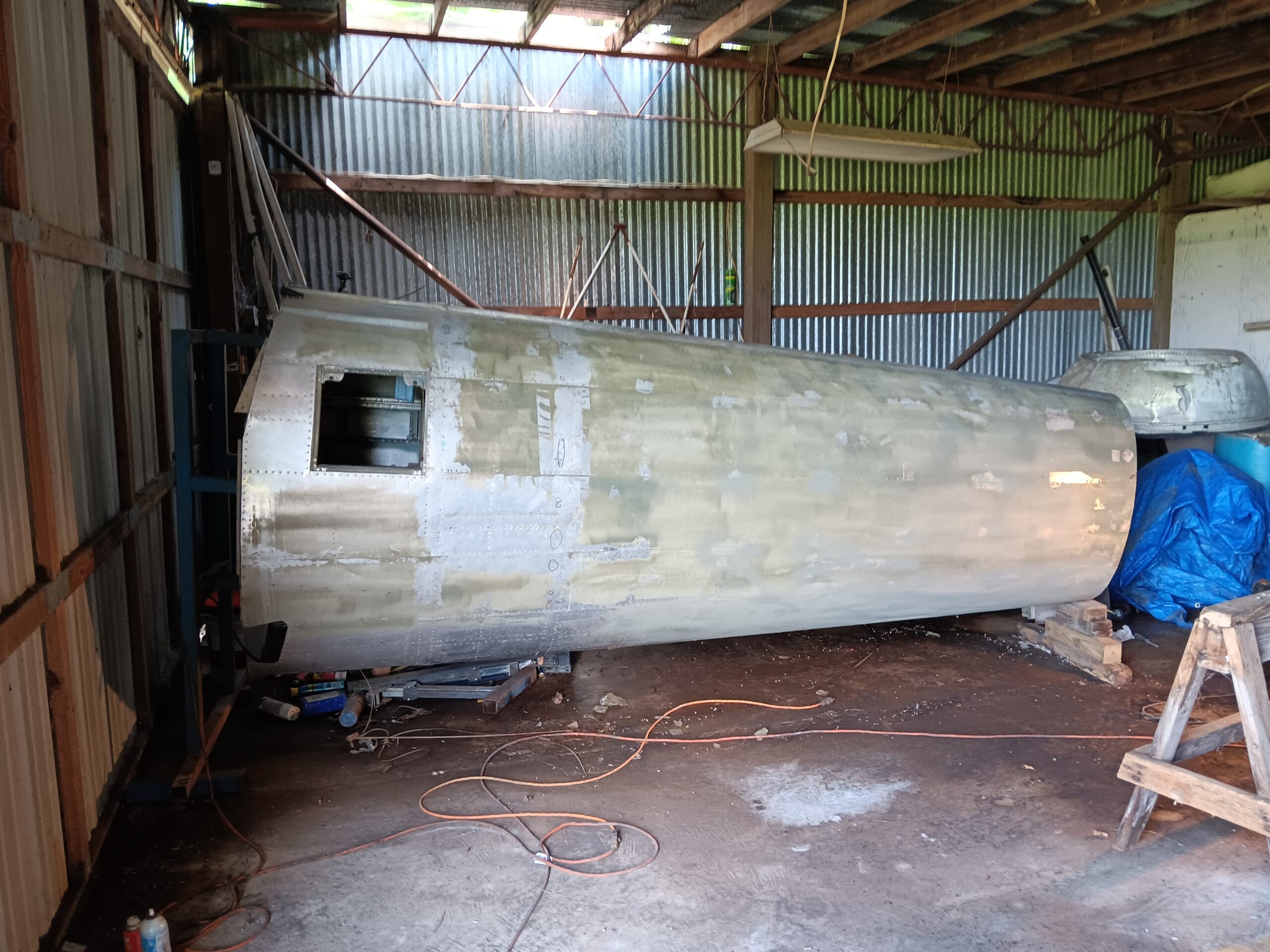
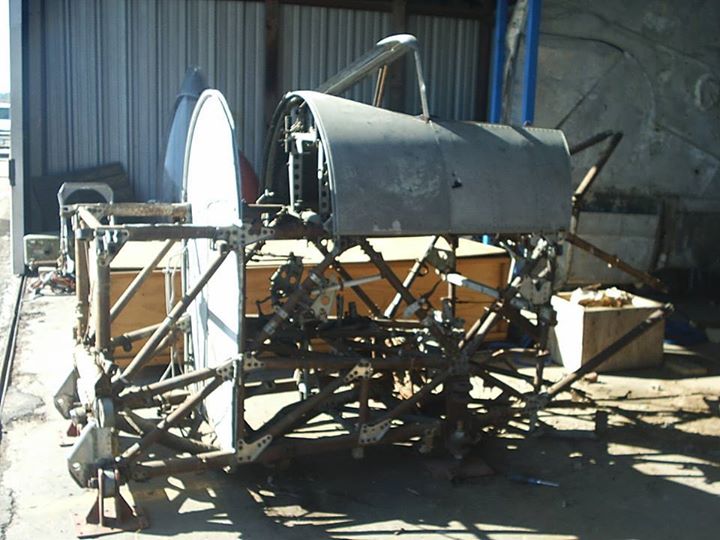
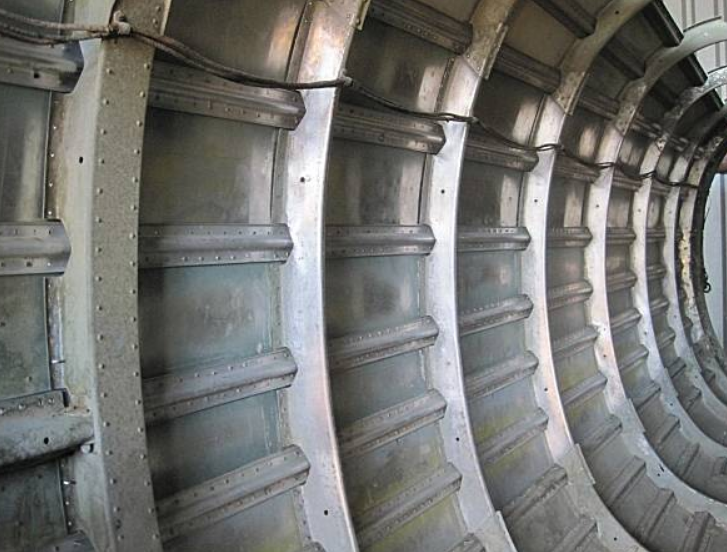
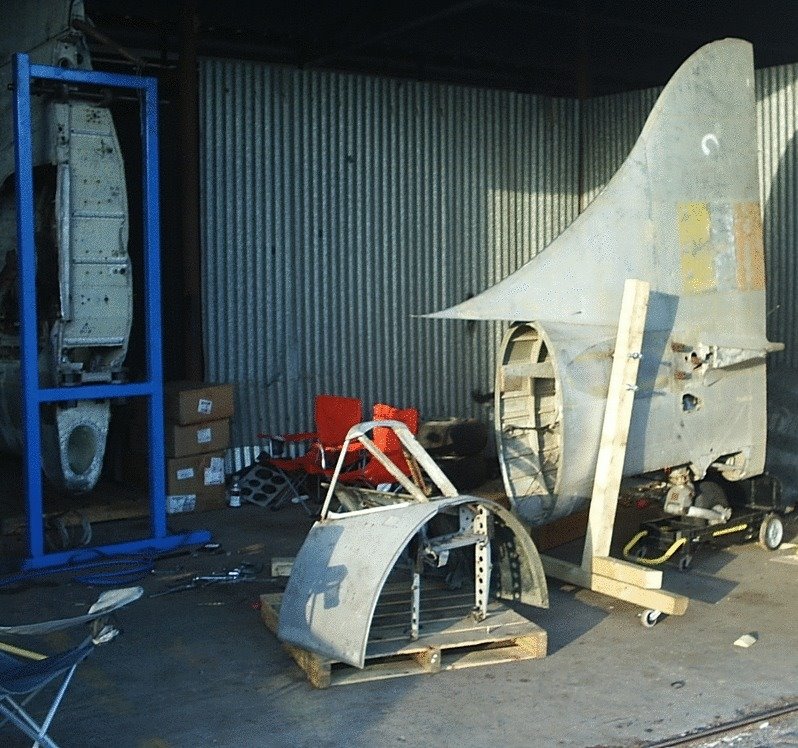
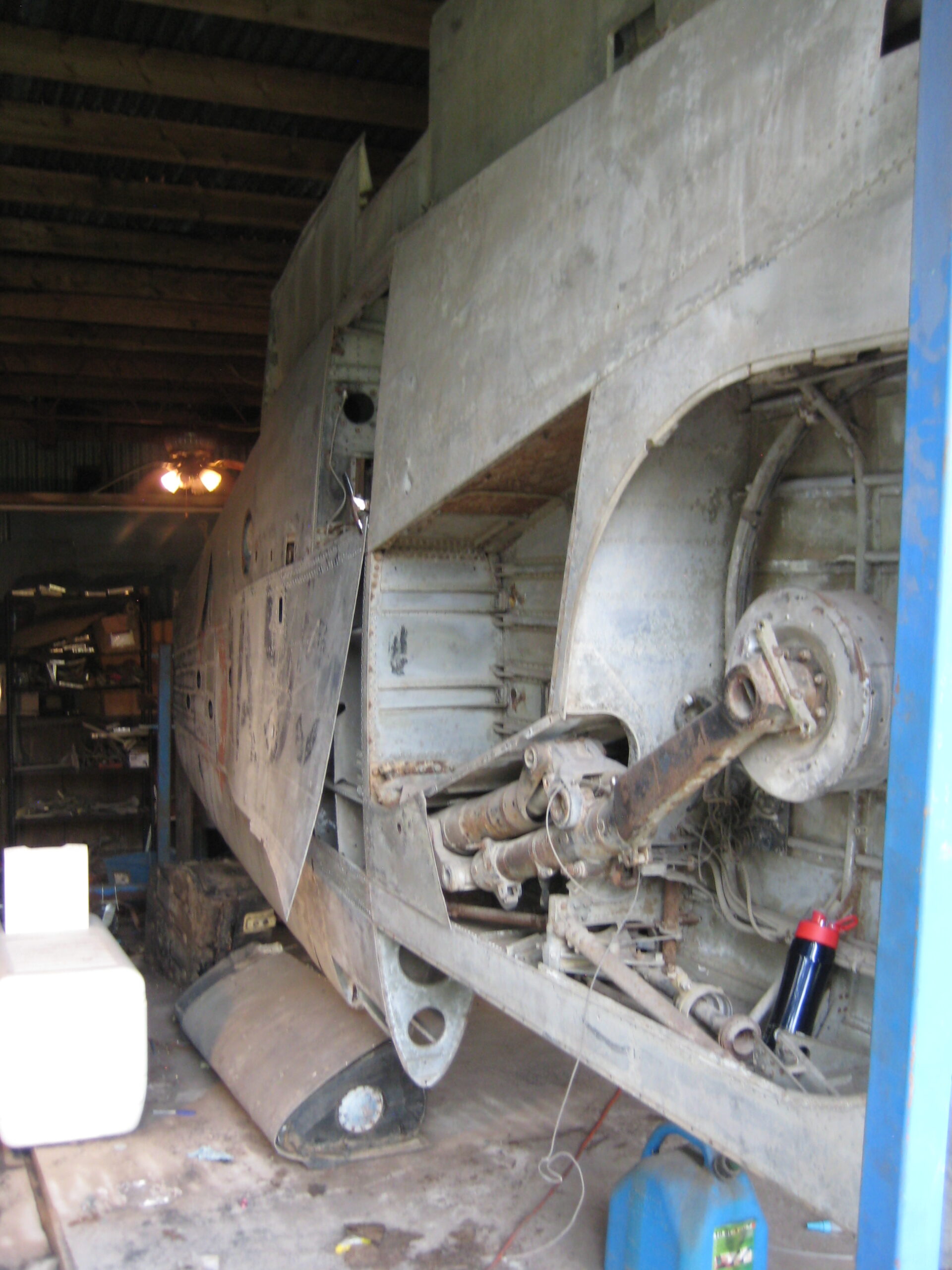
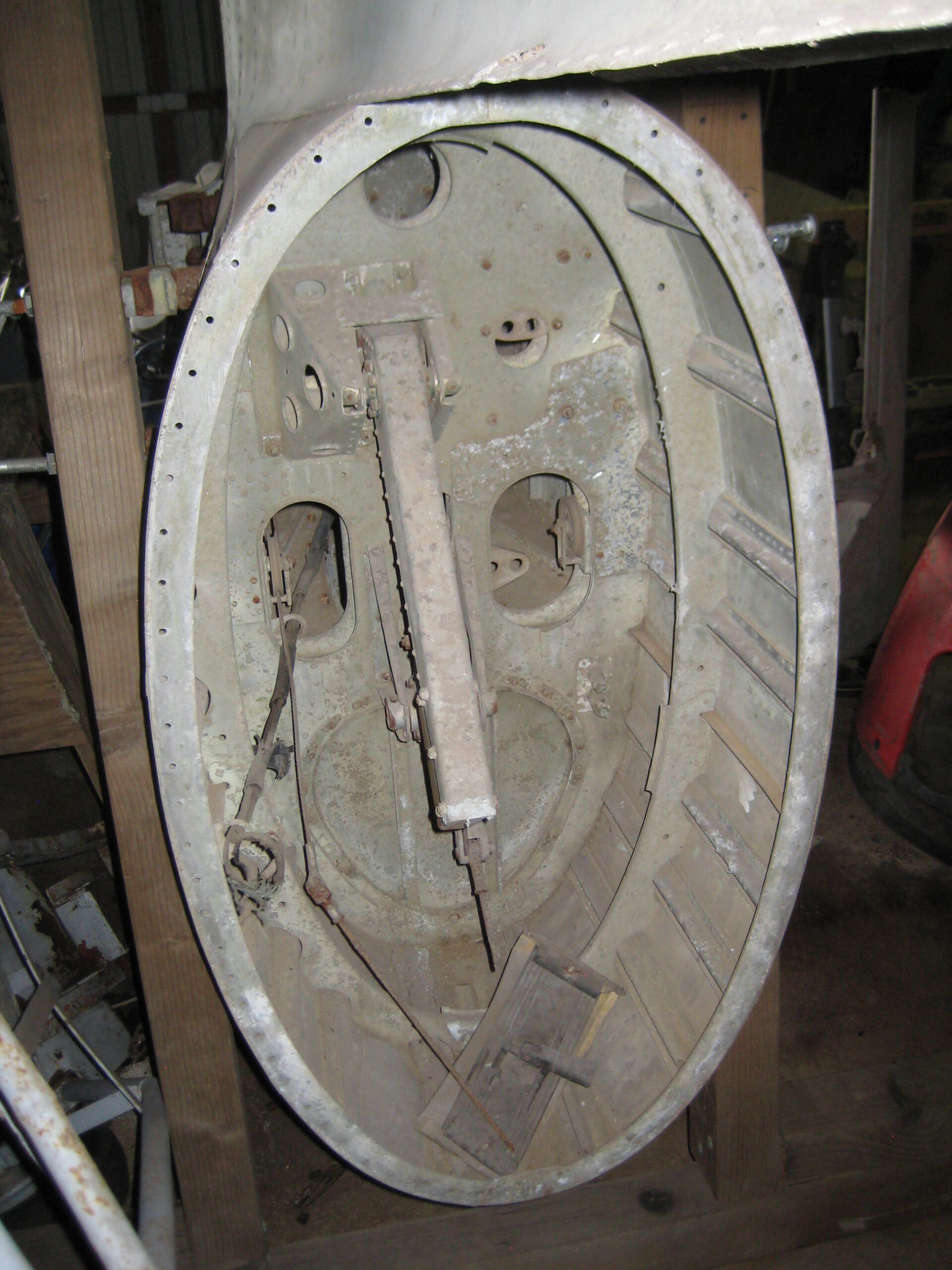
Current Location: In 2012, the MW404 project was purchased by its current owner and shipped to Houston, Texas, for a comprehensive restoration to airworthy condition. The airframe has been undergoing extensive rebuilding, including the replacement of older panels with new aluminium skins.
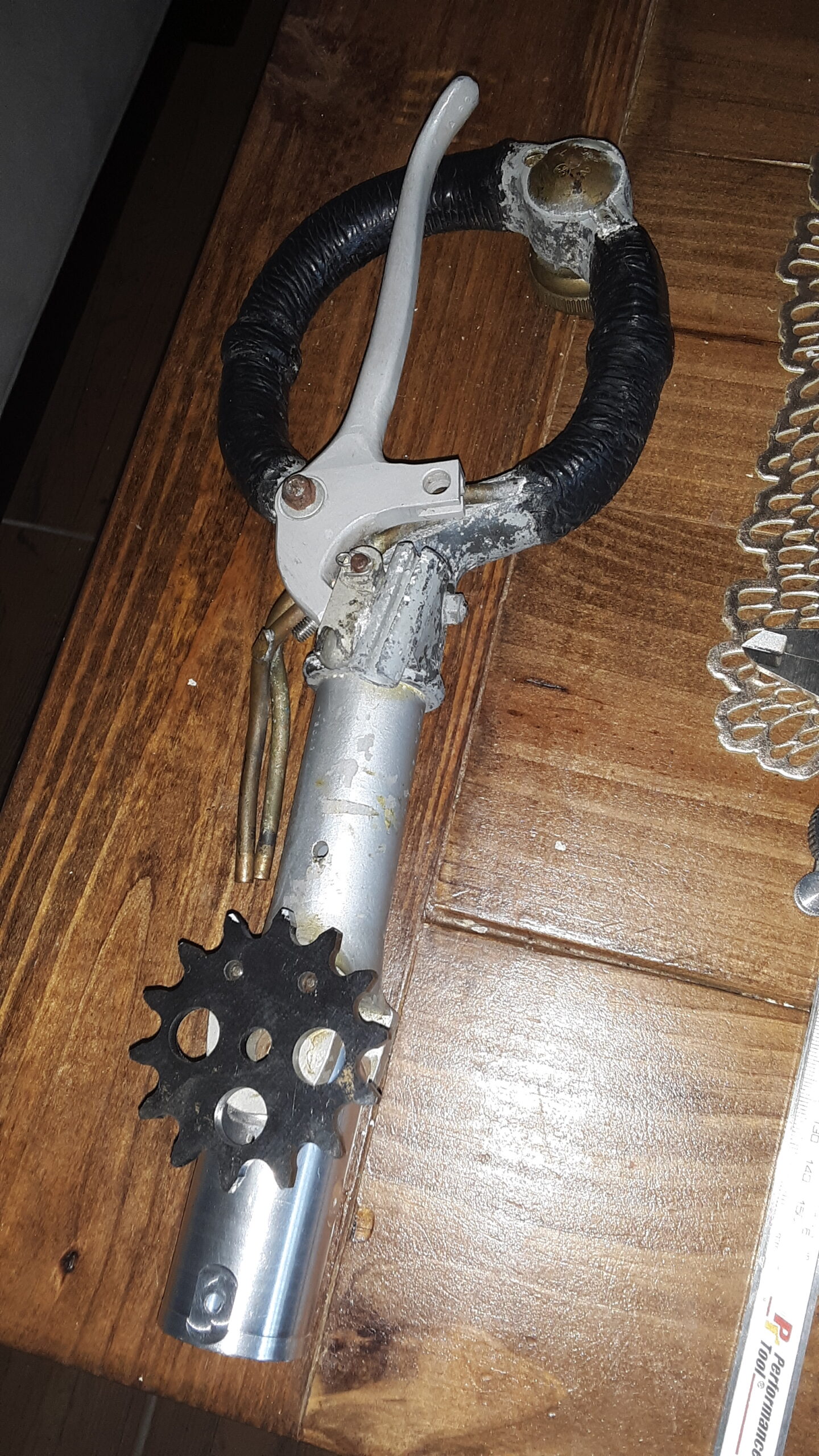
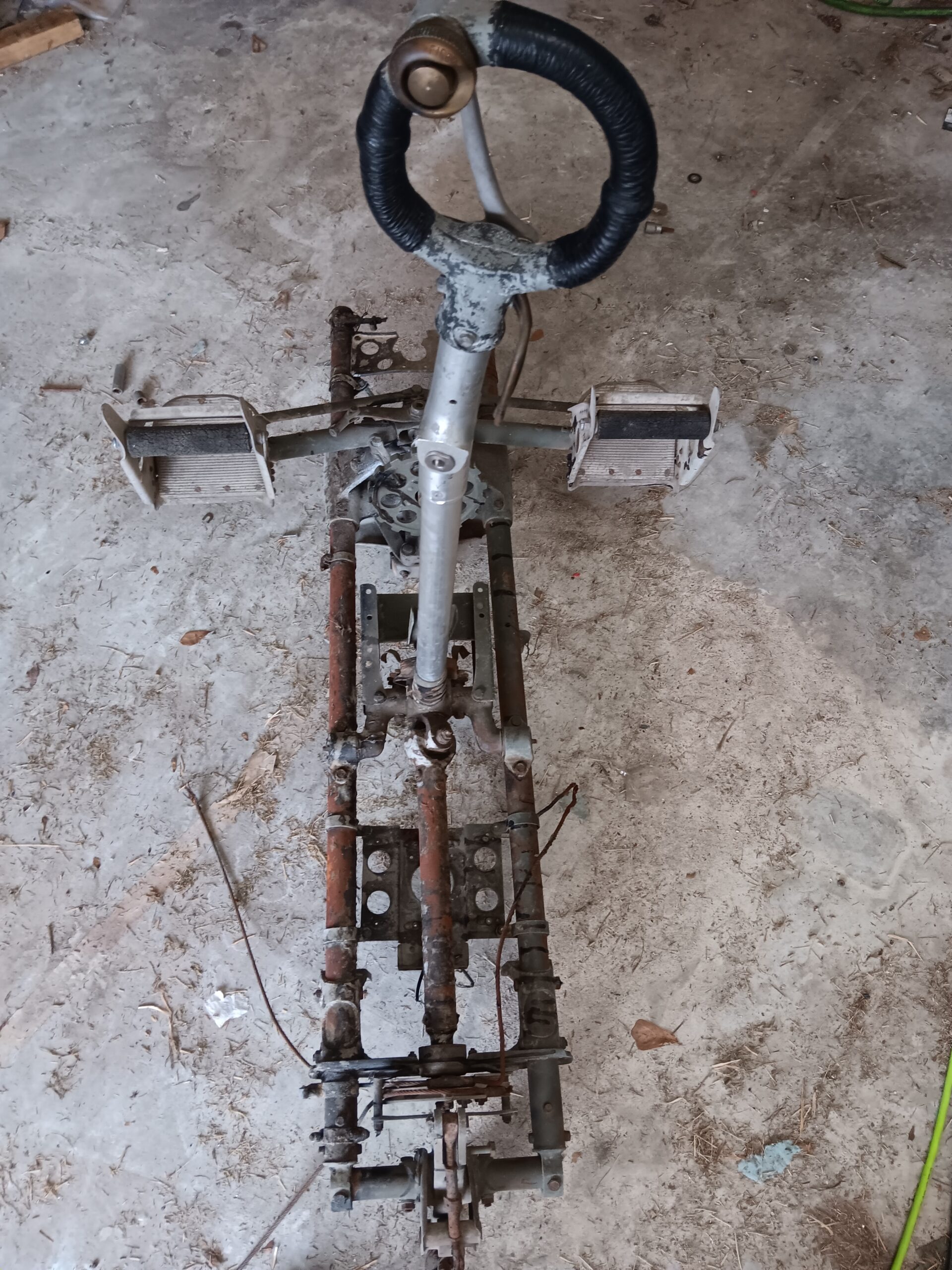
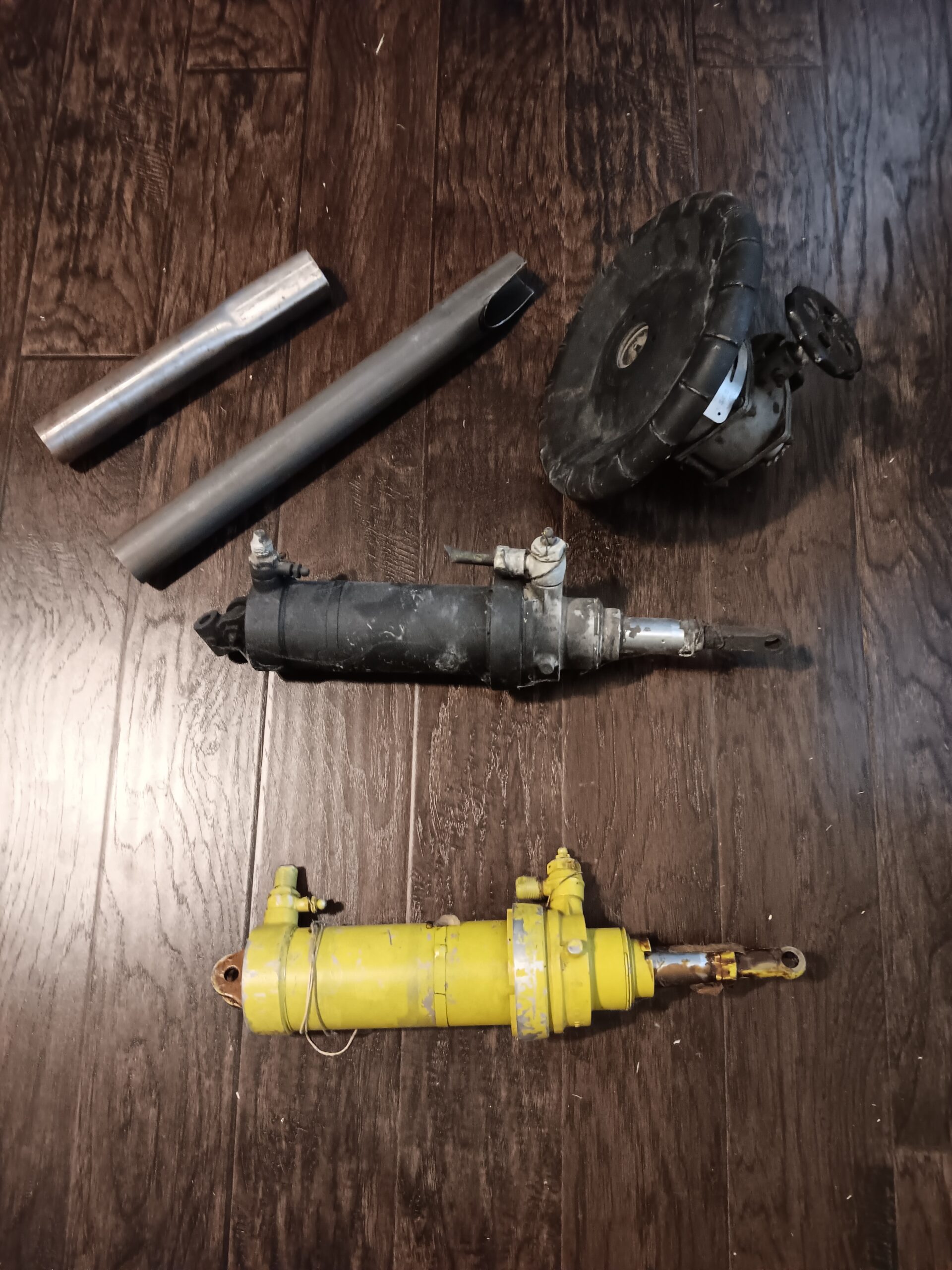
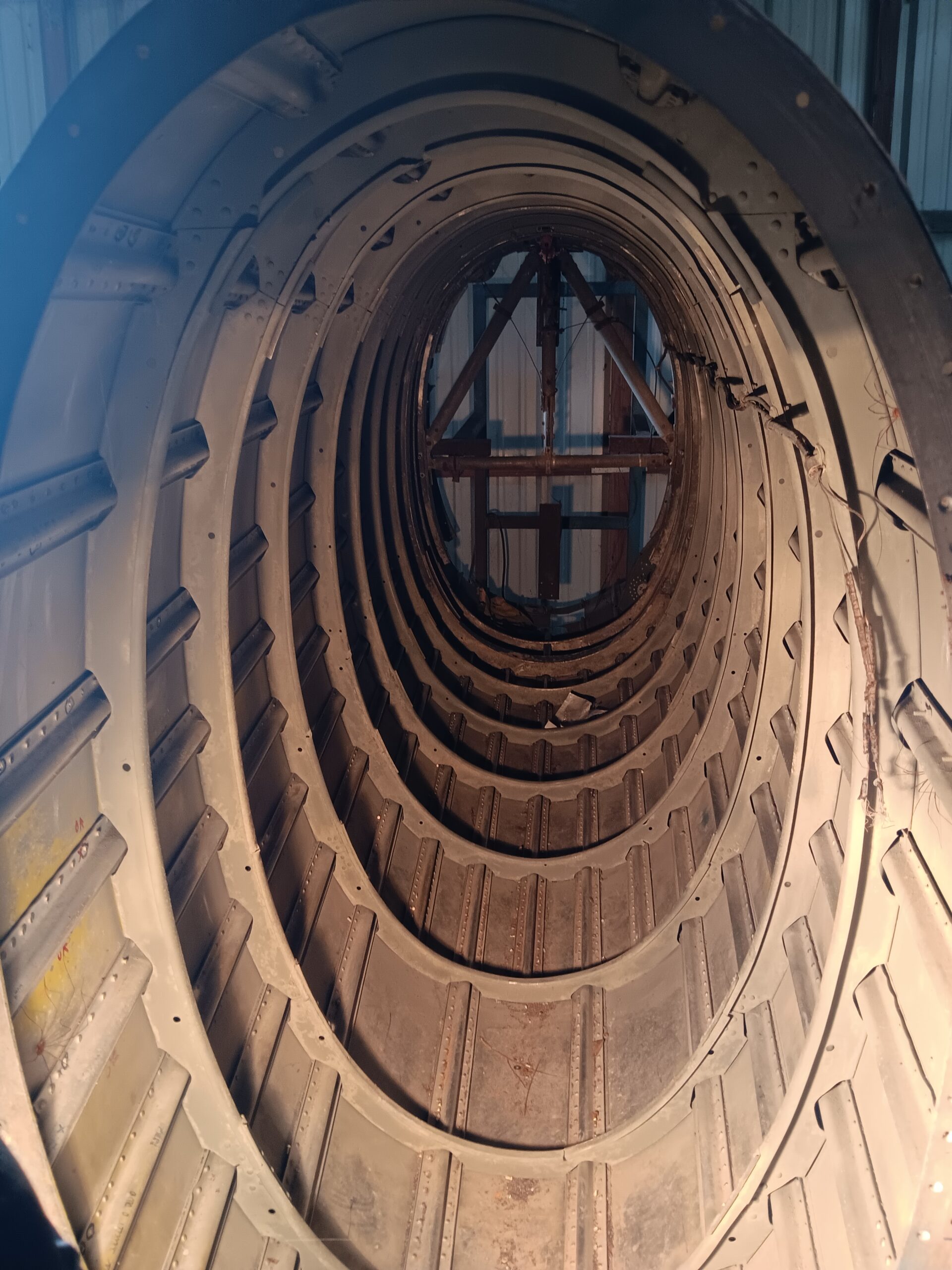
Component list as follows:
Fuselage
Wings
Landing gear
Flaps
Horizontal stabilizer parts including
Ribs
Tips
Drawings to make everything else (and tooling)
Rudder post plus special extrusion to make ribs
Drawings to make rudder ribs
Canopy
Exhaust cowl flaps
Nose cowling
Spinner
Cockpit
Seat
Stick
Cockpit Trim mechanism
Engine core
PRICE ON APPLICATION: SERIOUS OFFERS CONSIDERED