Edgley Optica
Price : £ POA
Aircraft Information
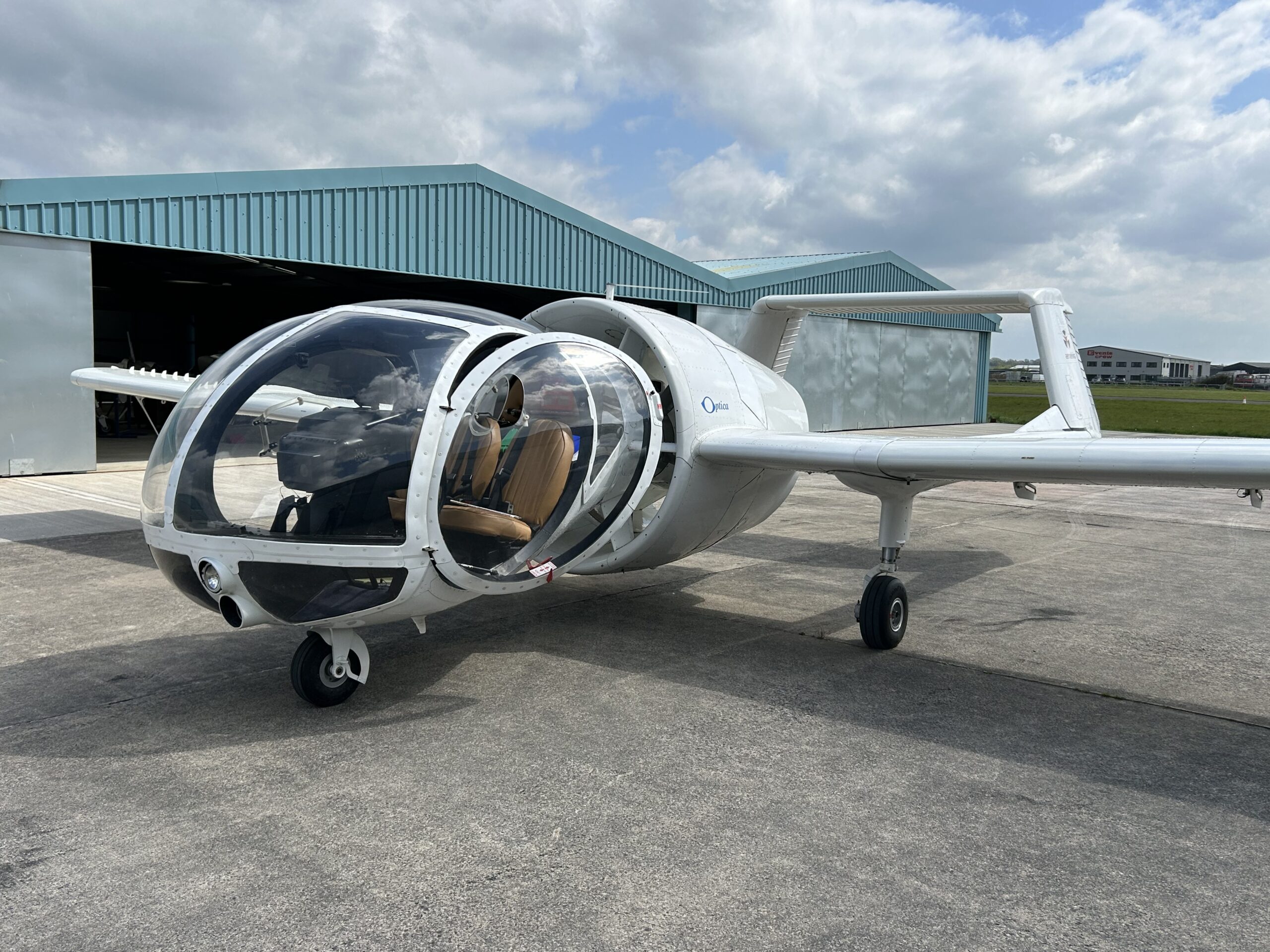
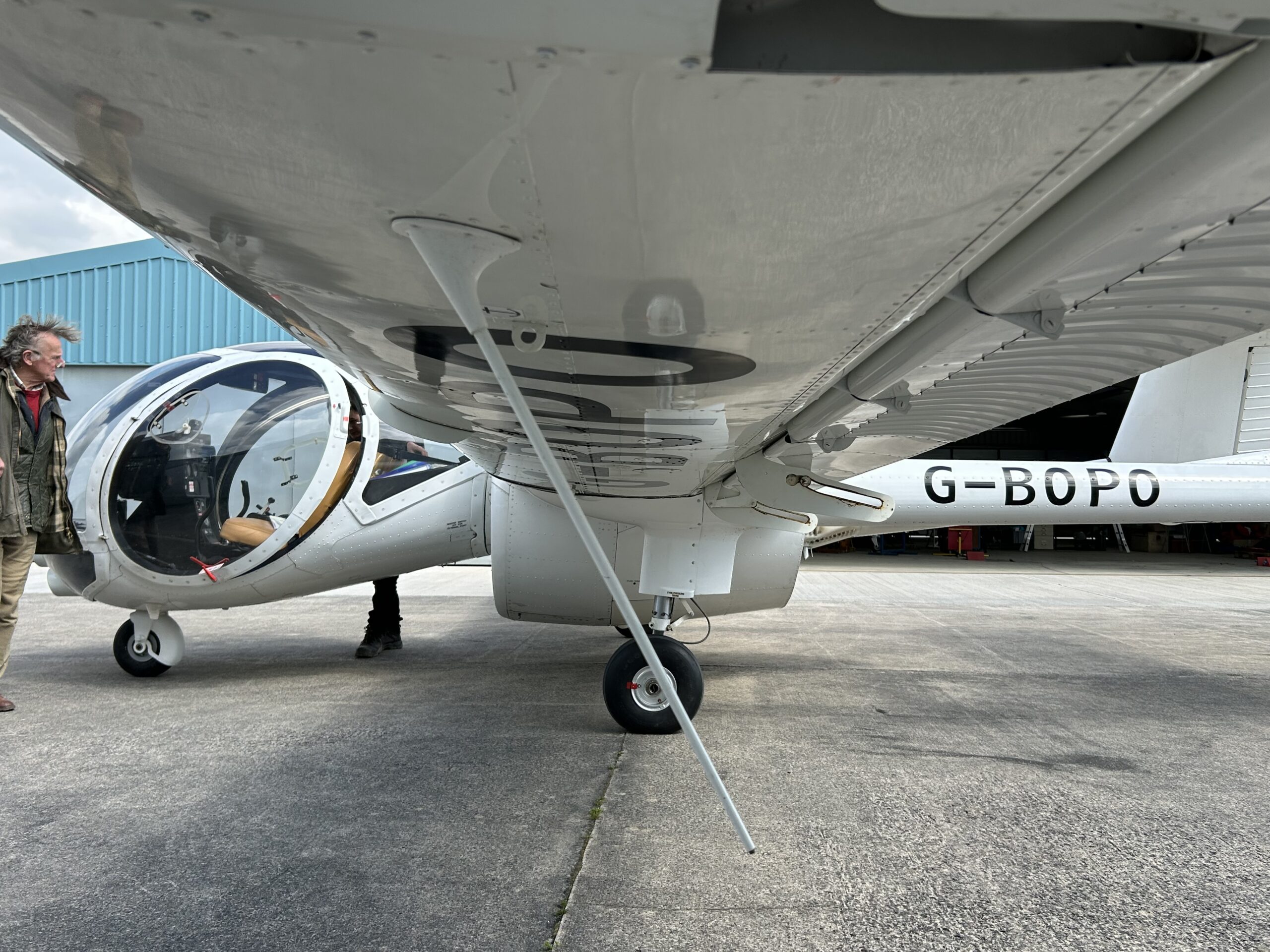
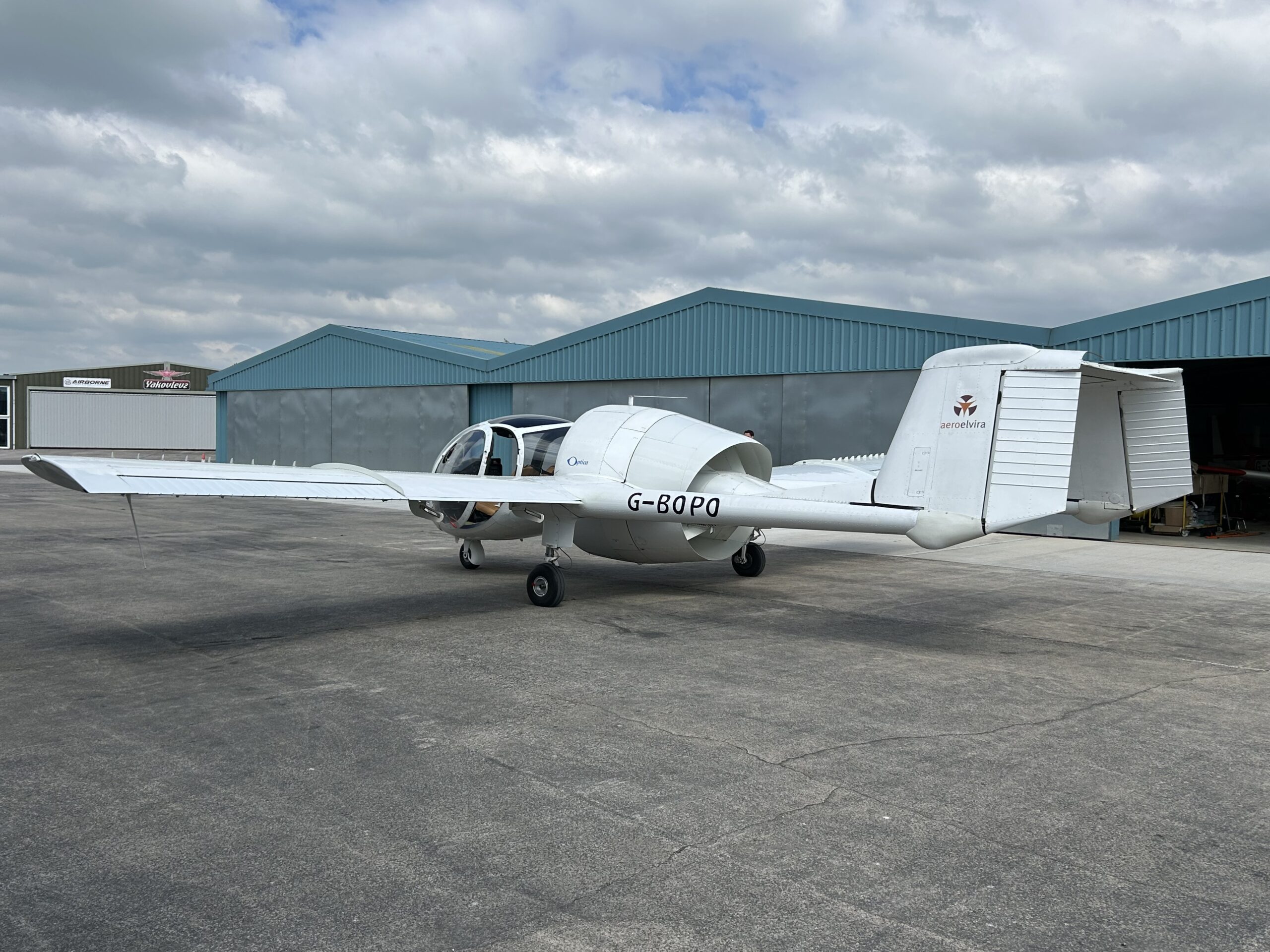
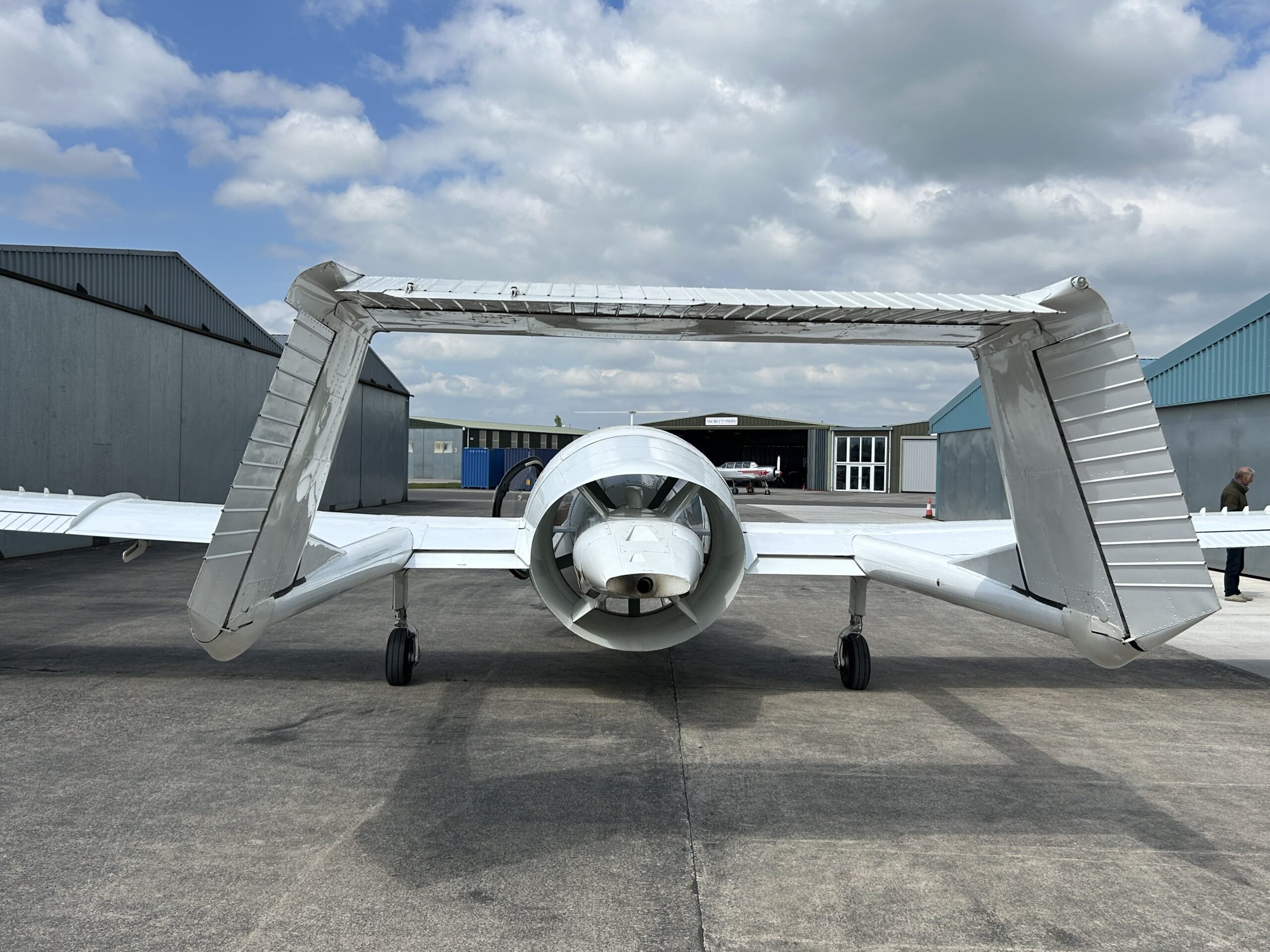
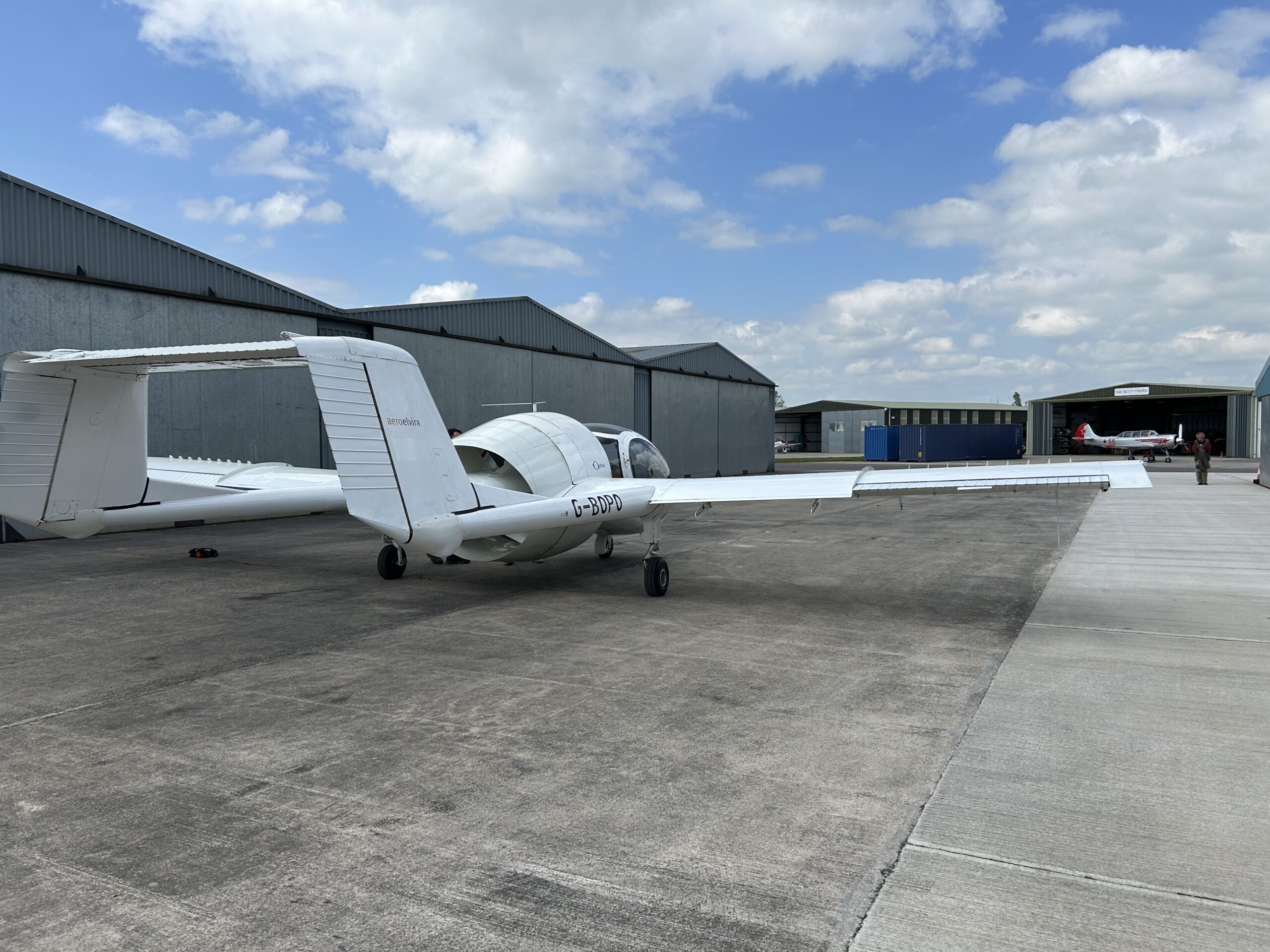
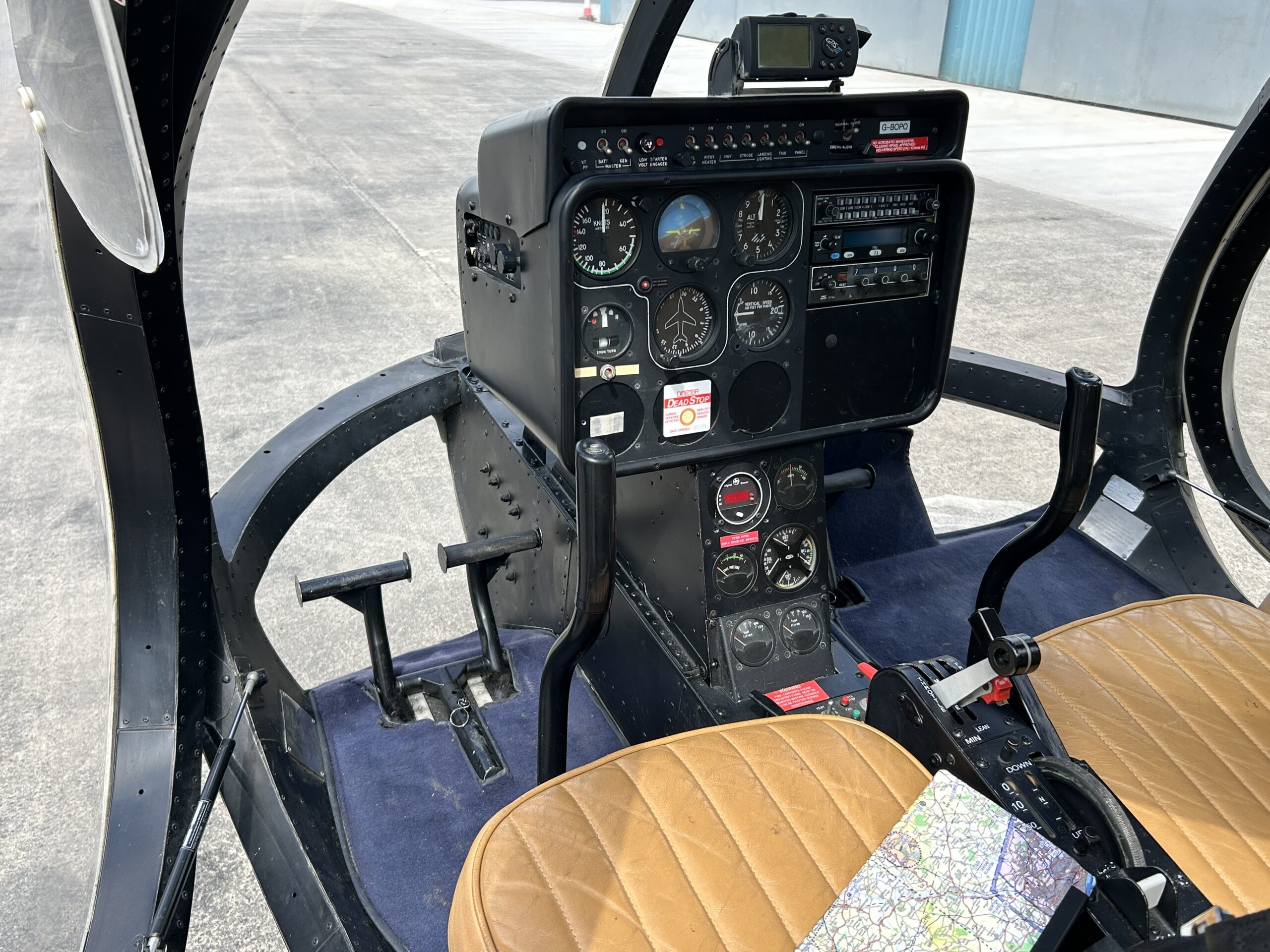
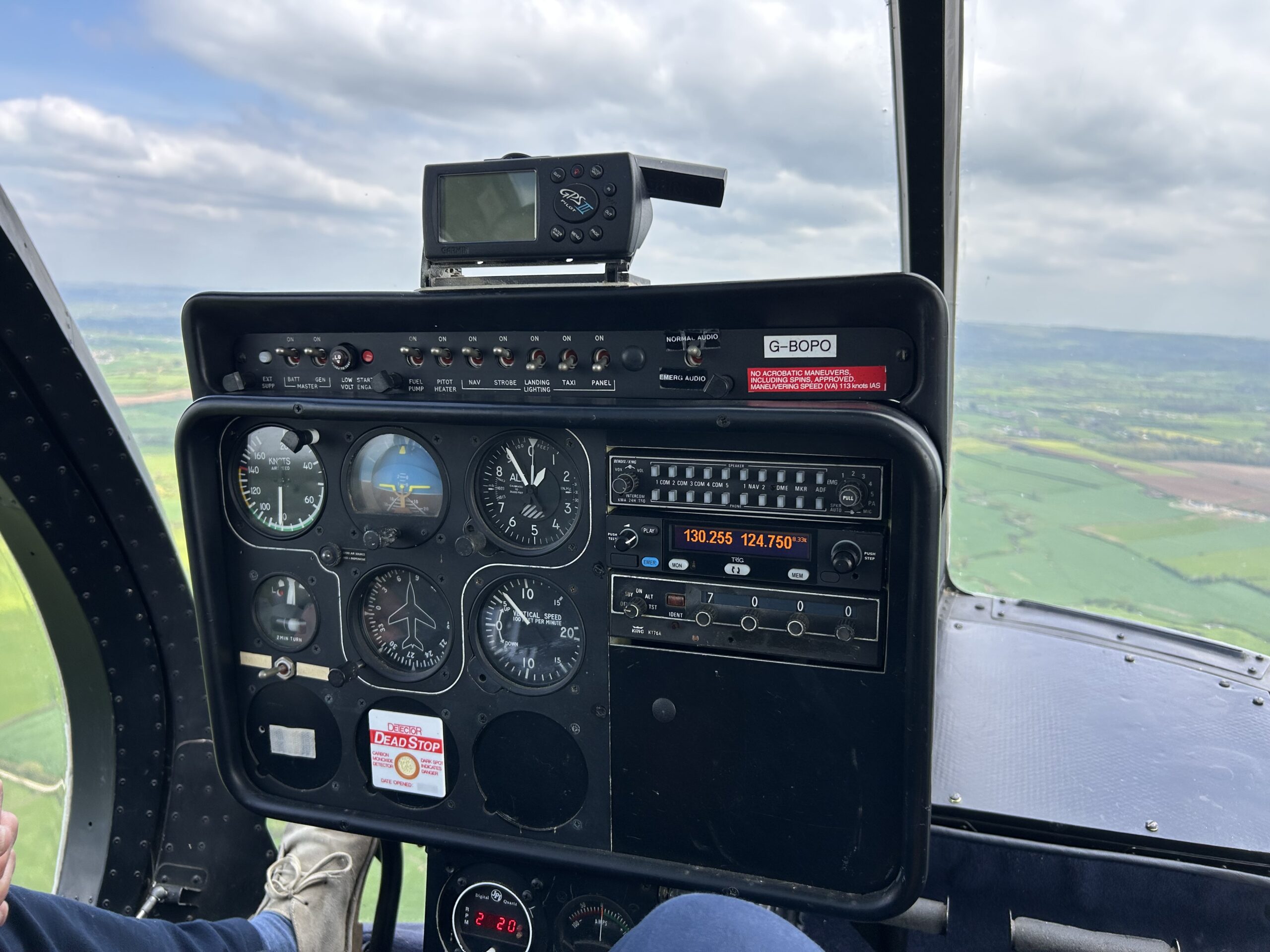
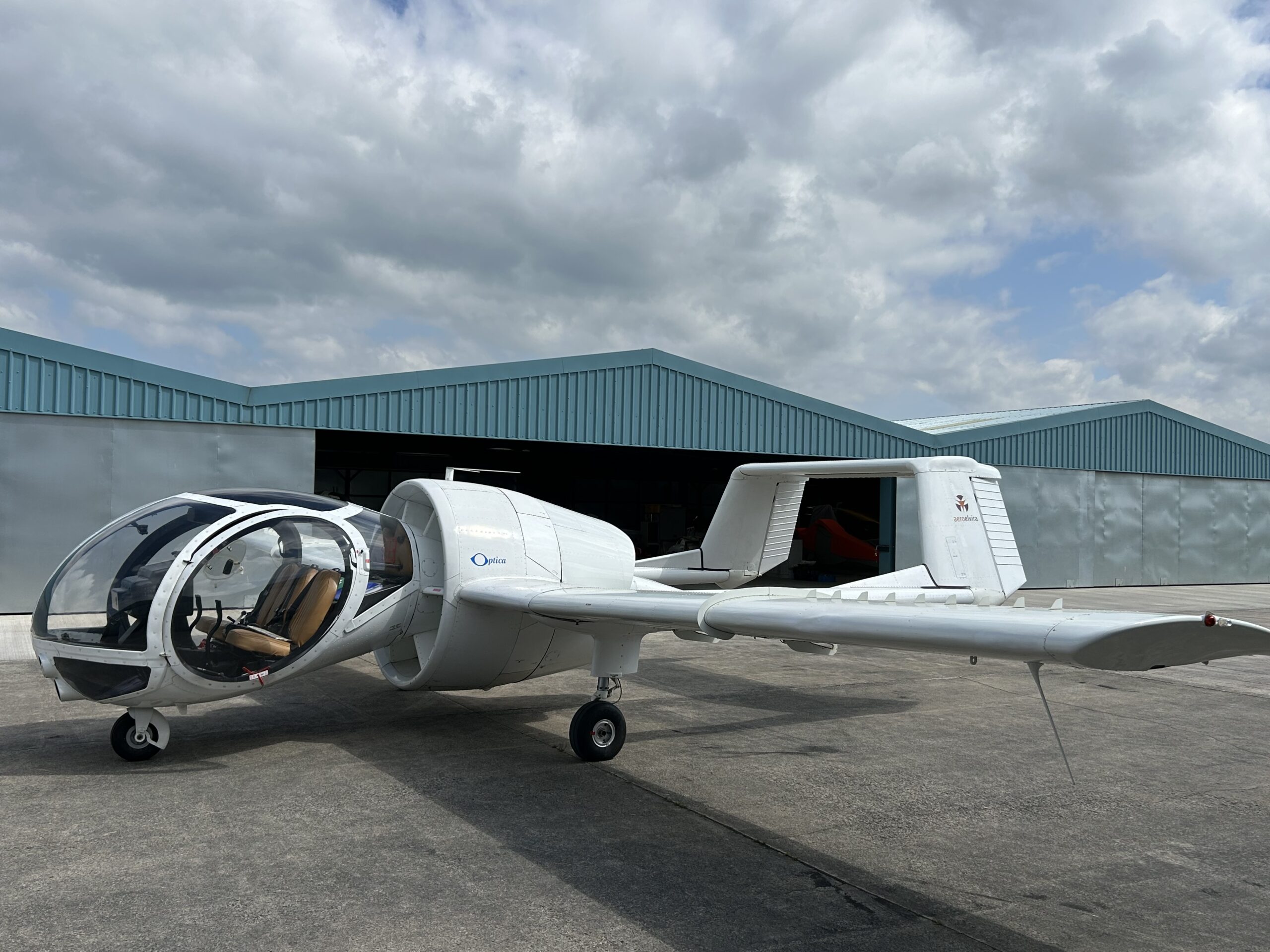
FLYING DEMONSTRATOR – G-BOPO
The demonstrator is flown regularly and carries a full UK CAA Certificate of Airworthiness.
All documents, logbooks available
Located at Henstridge airfield.
Price – £ POA.
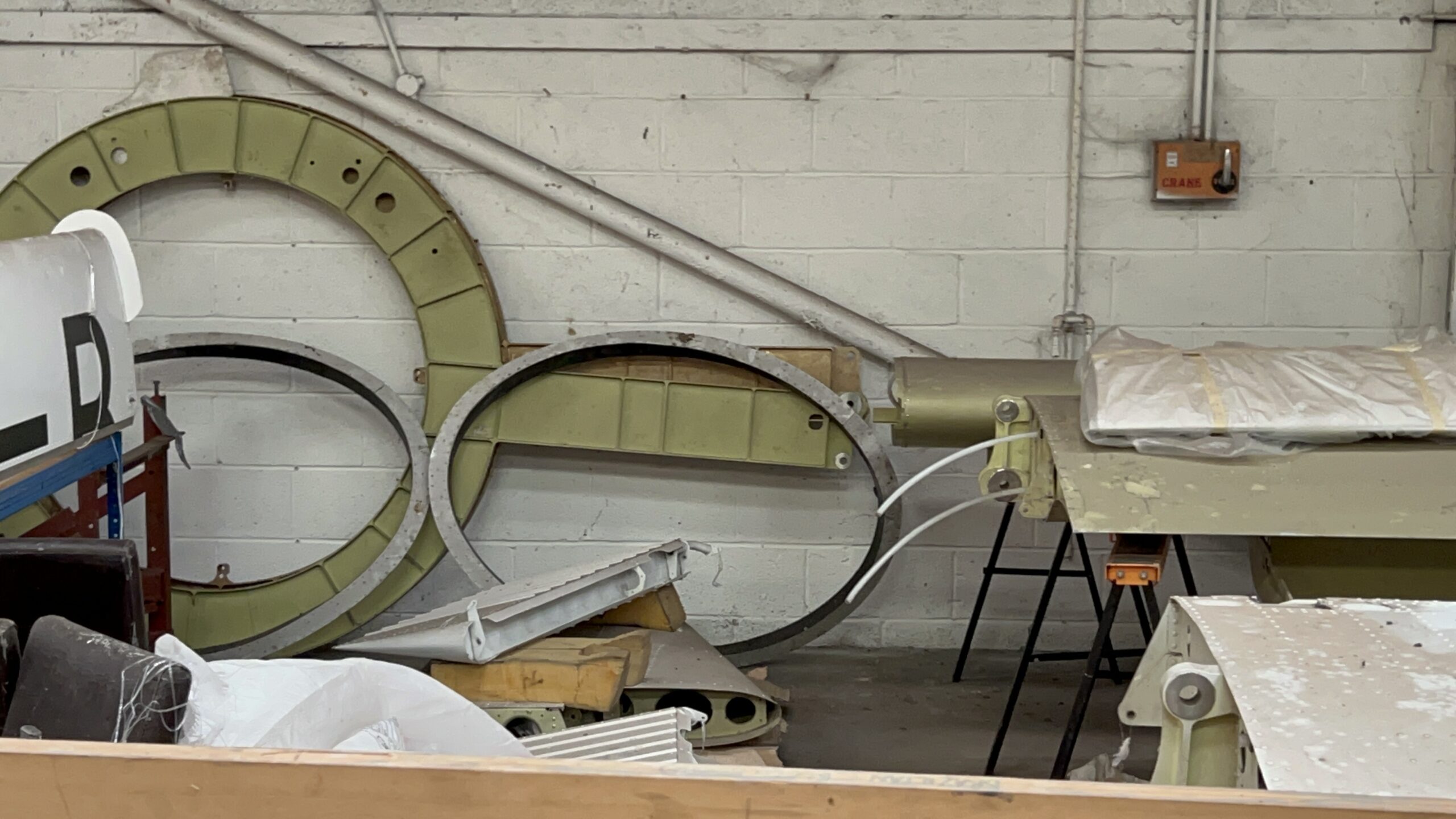
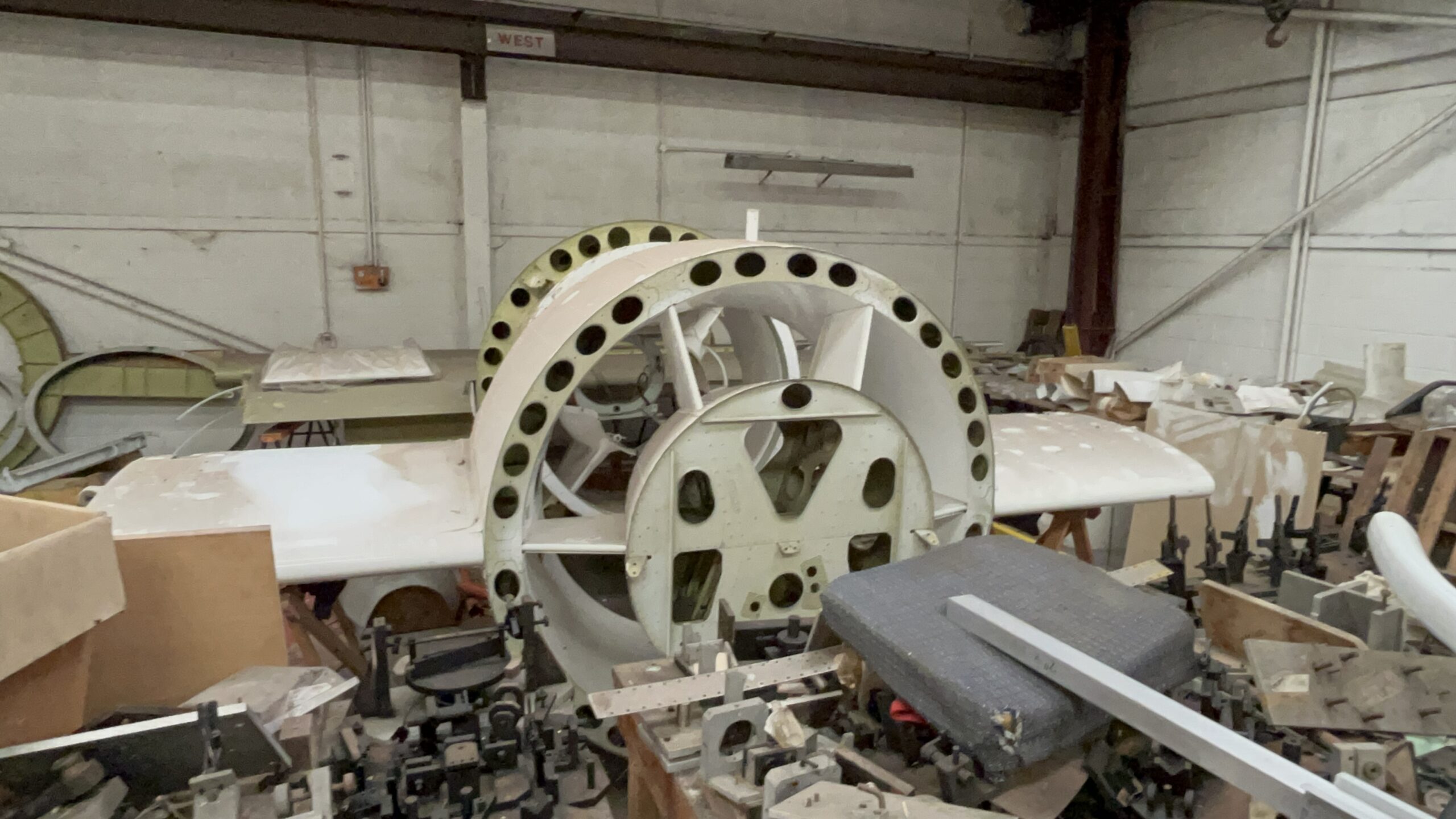
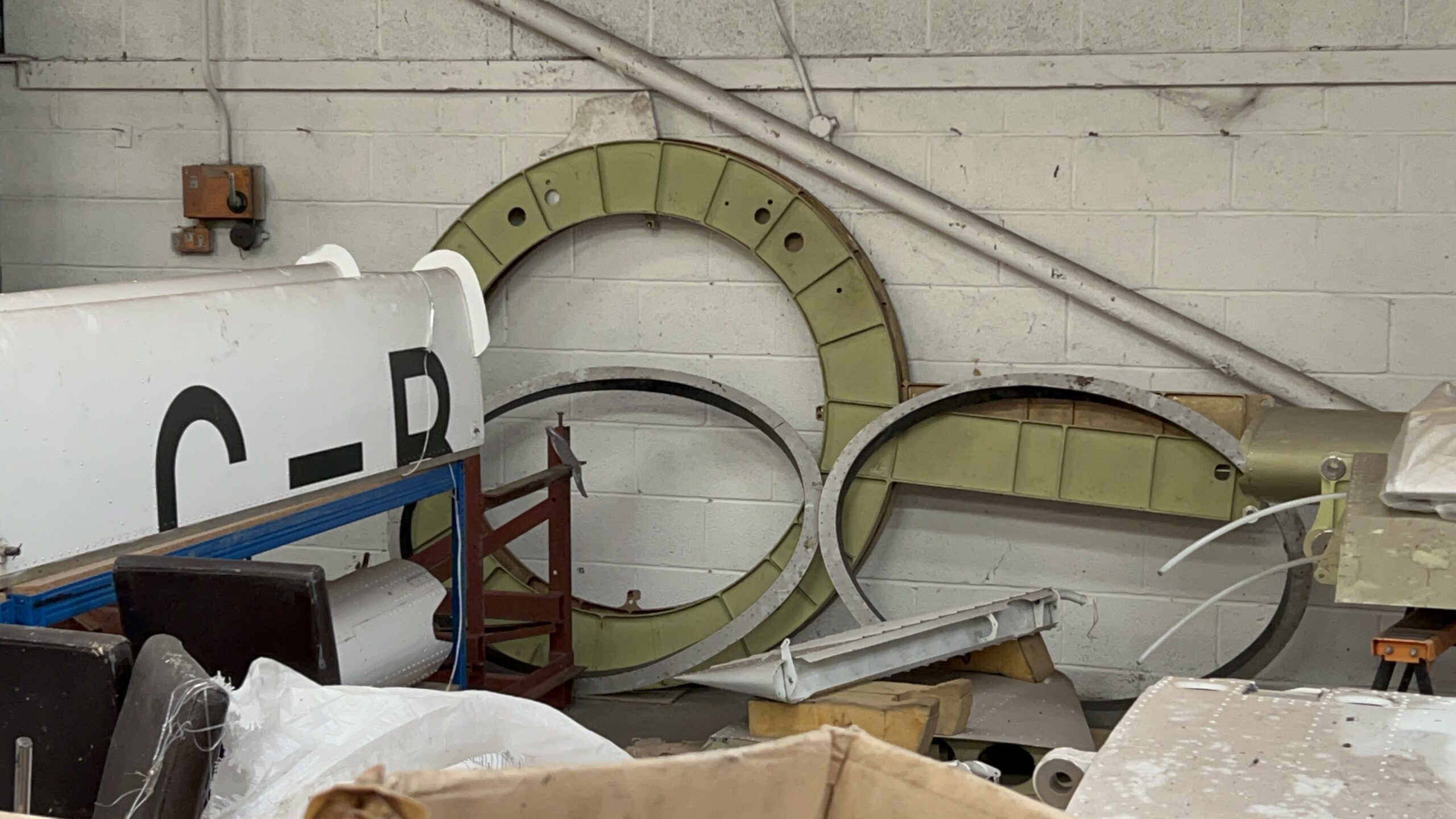
UNFINISHED AIRCRAFT – G-BOPR
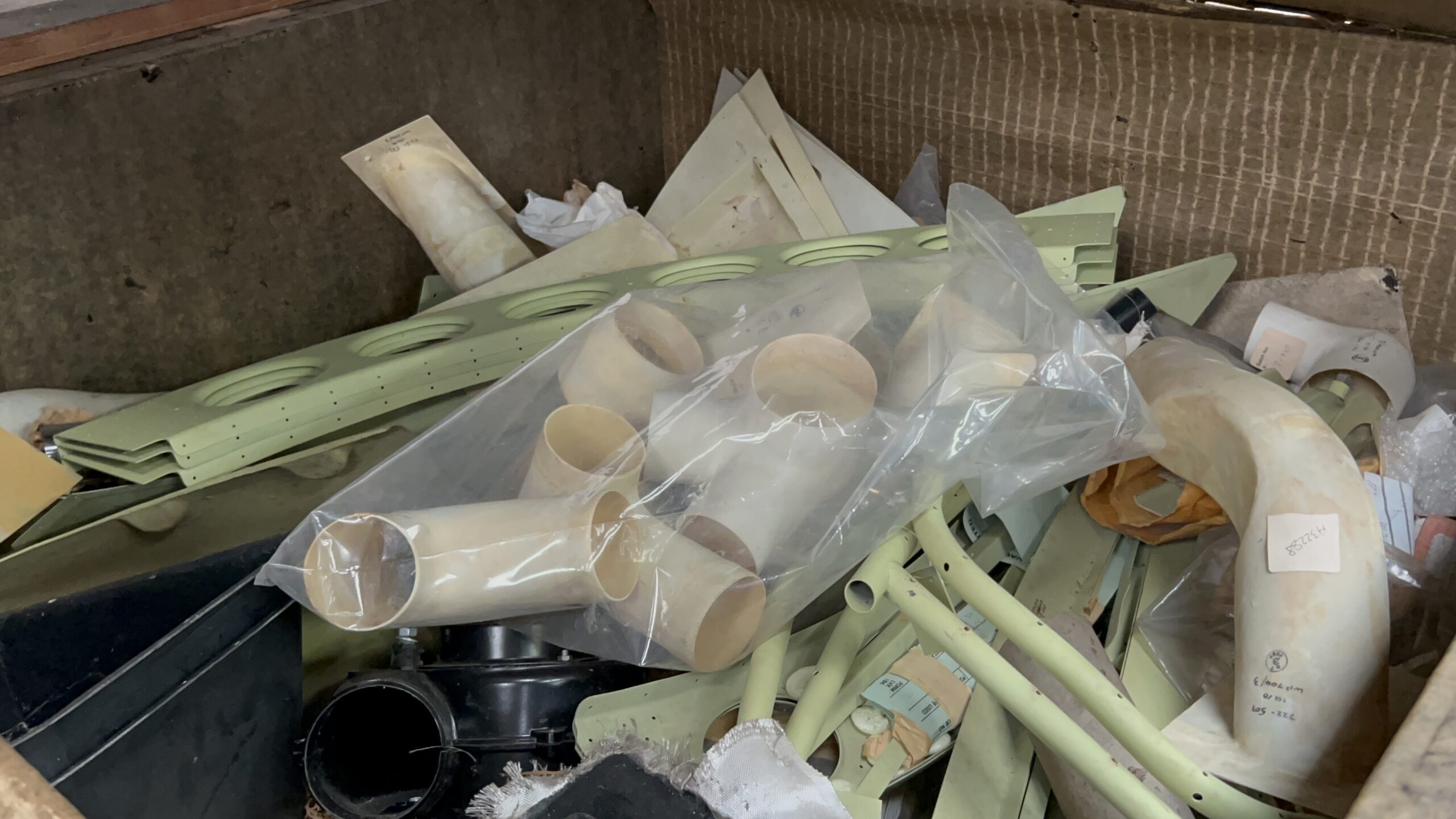
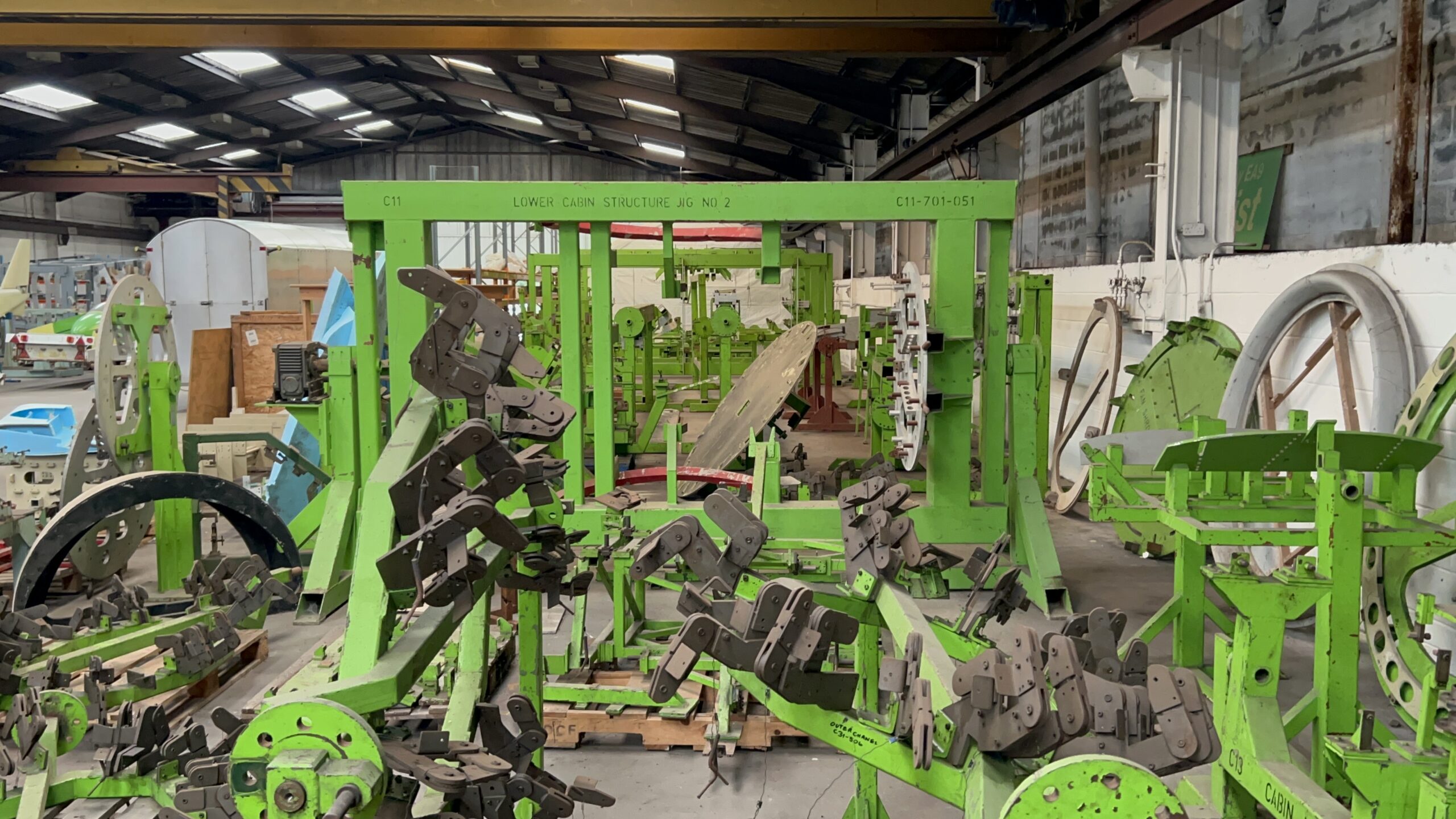
All drawings, components and jigs for up to 5 unfinished aircraft in storage
No engine and fan blades
Price – £99,950
OUT OF SERVICE AIRCRAFT – G-BMPL
Airframe with all logbooks and maintenance records.
No engine and fan blades
All drawings, jigs and tooling
Price- £99,950
HISTORY
The Optica project began in 1974 with a company, Edgley Aircraft Limited, formed by John Kelsey Edgley who, with a small team, designed and built the original prototype. The aircraft was designed for low-speed observation work, and intended as a low-cost alternative to helicopters. The Optica has a loiter speed of 130 km/h (70 kn; 81 mph) and a stall speed of 108 km/h (58 kn; 67 mph).
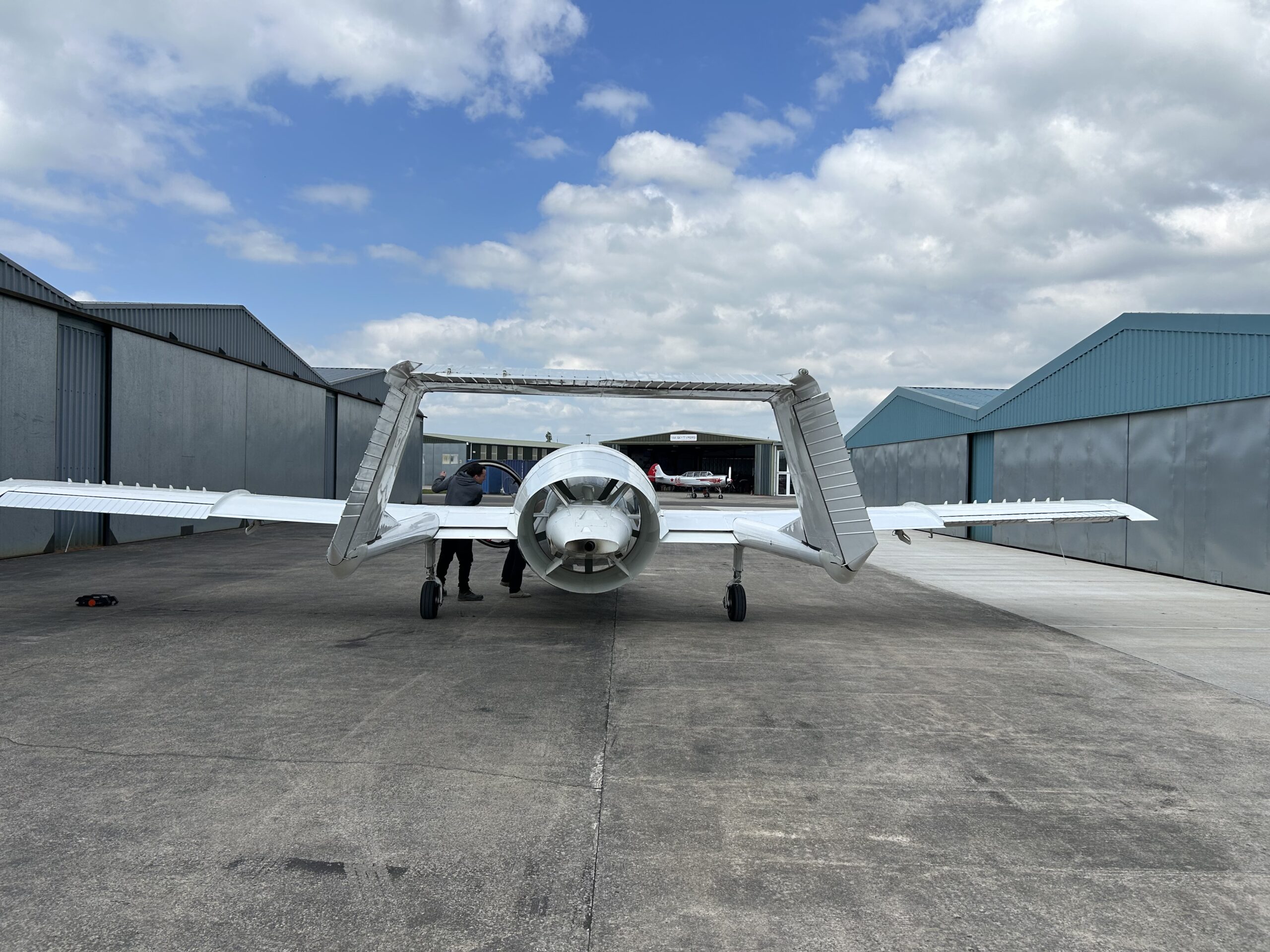
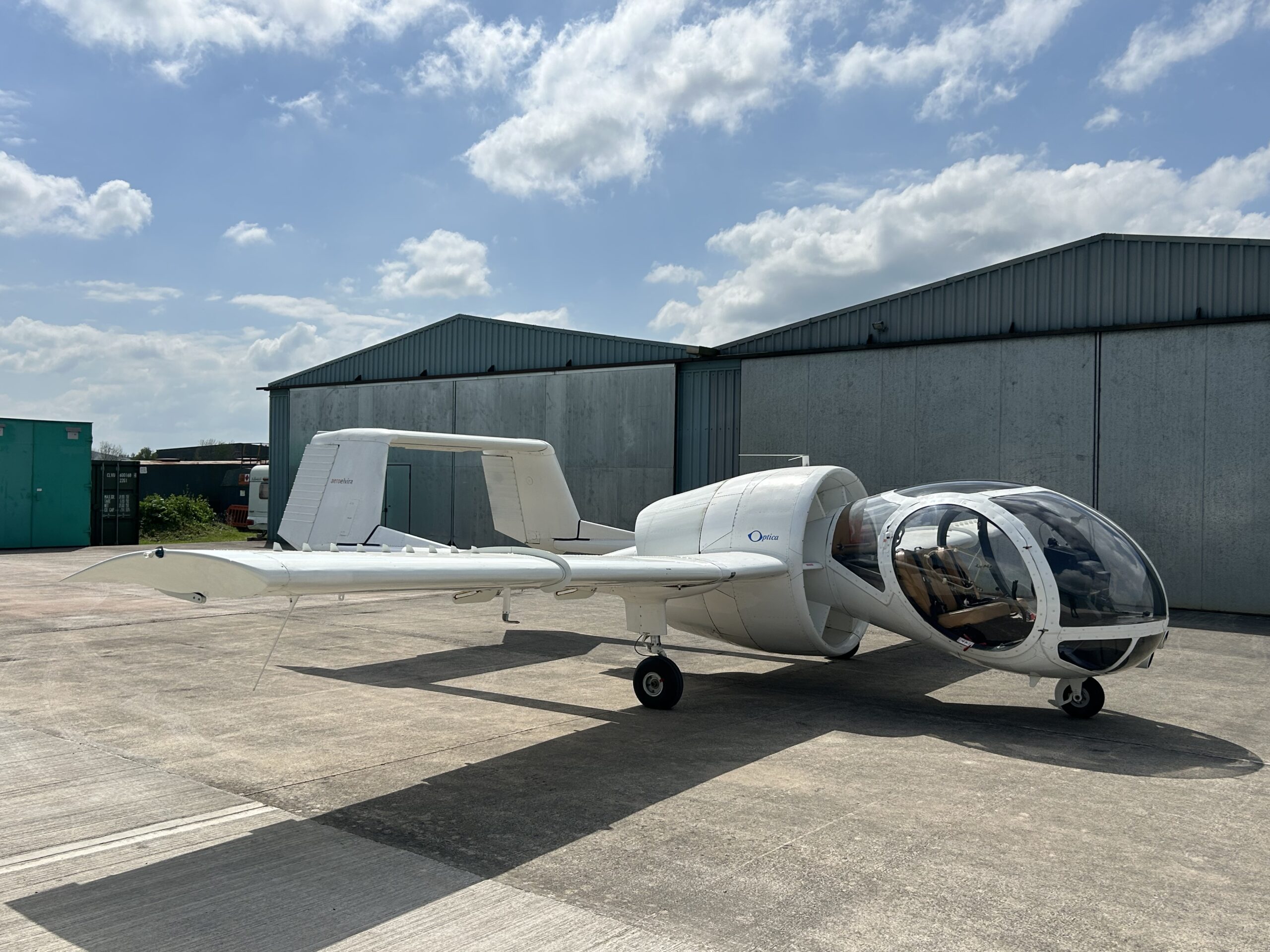
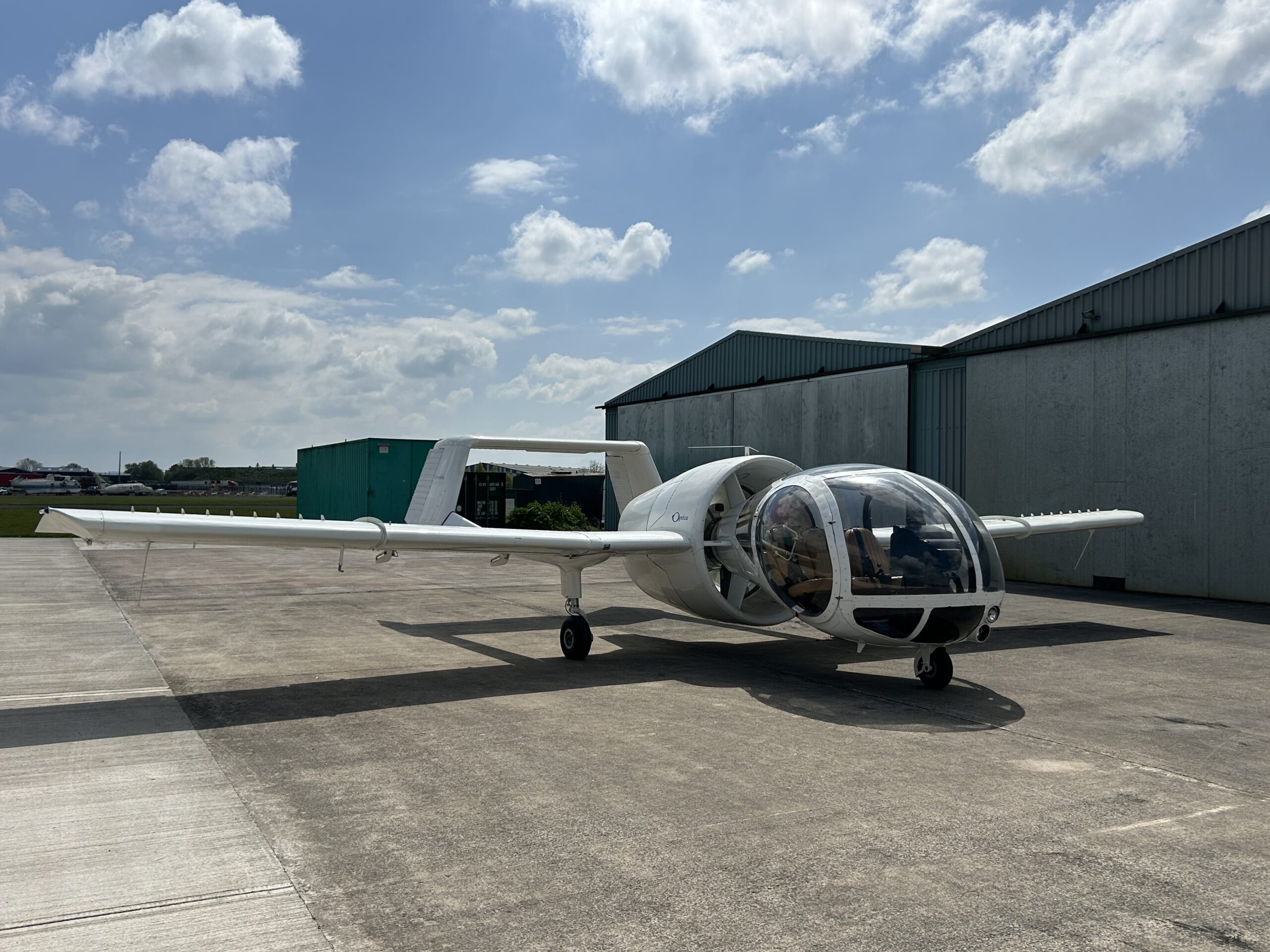
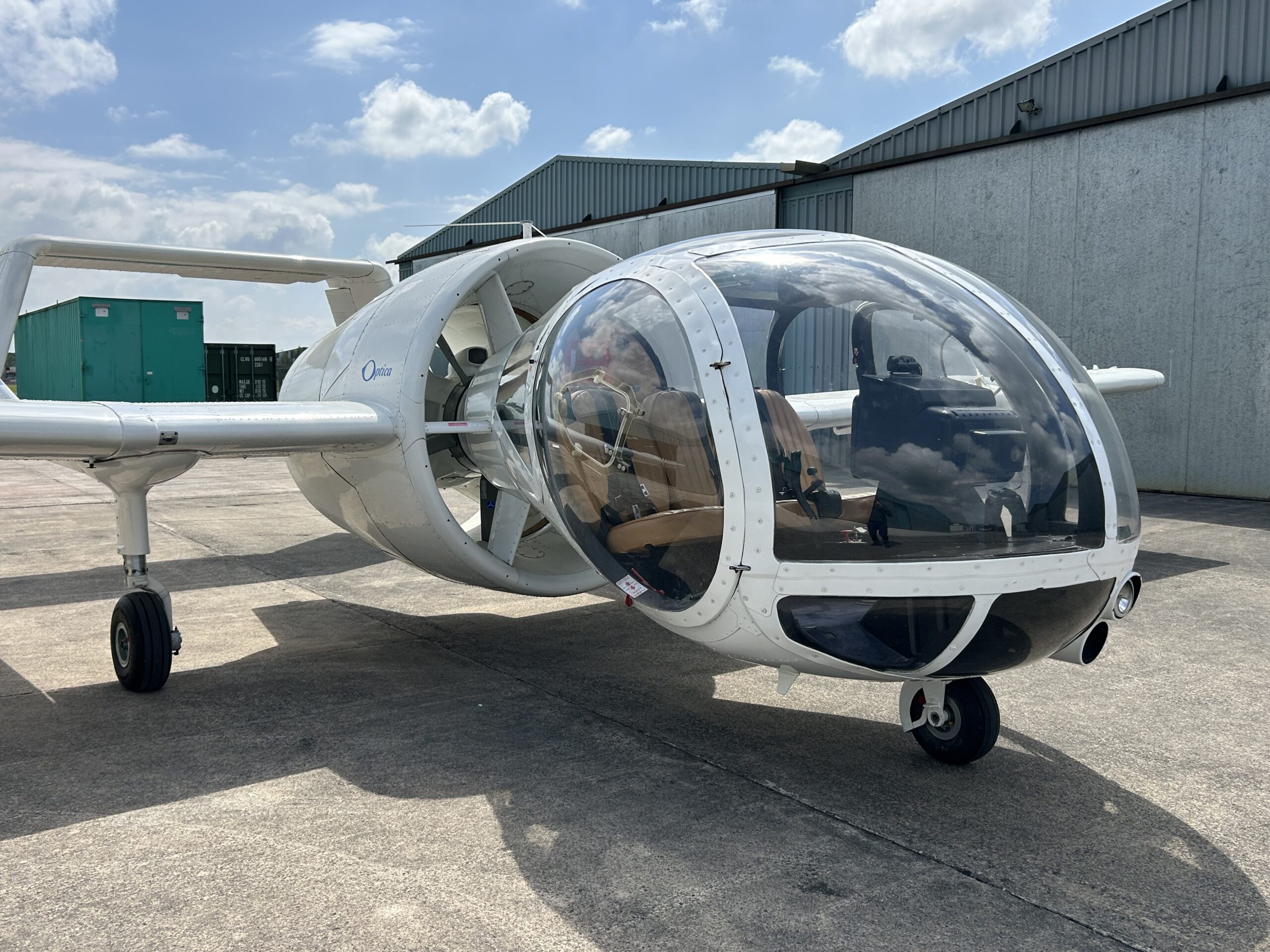
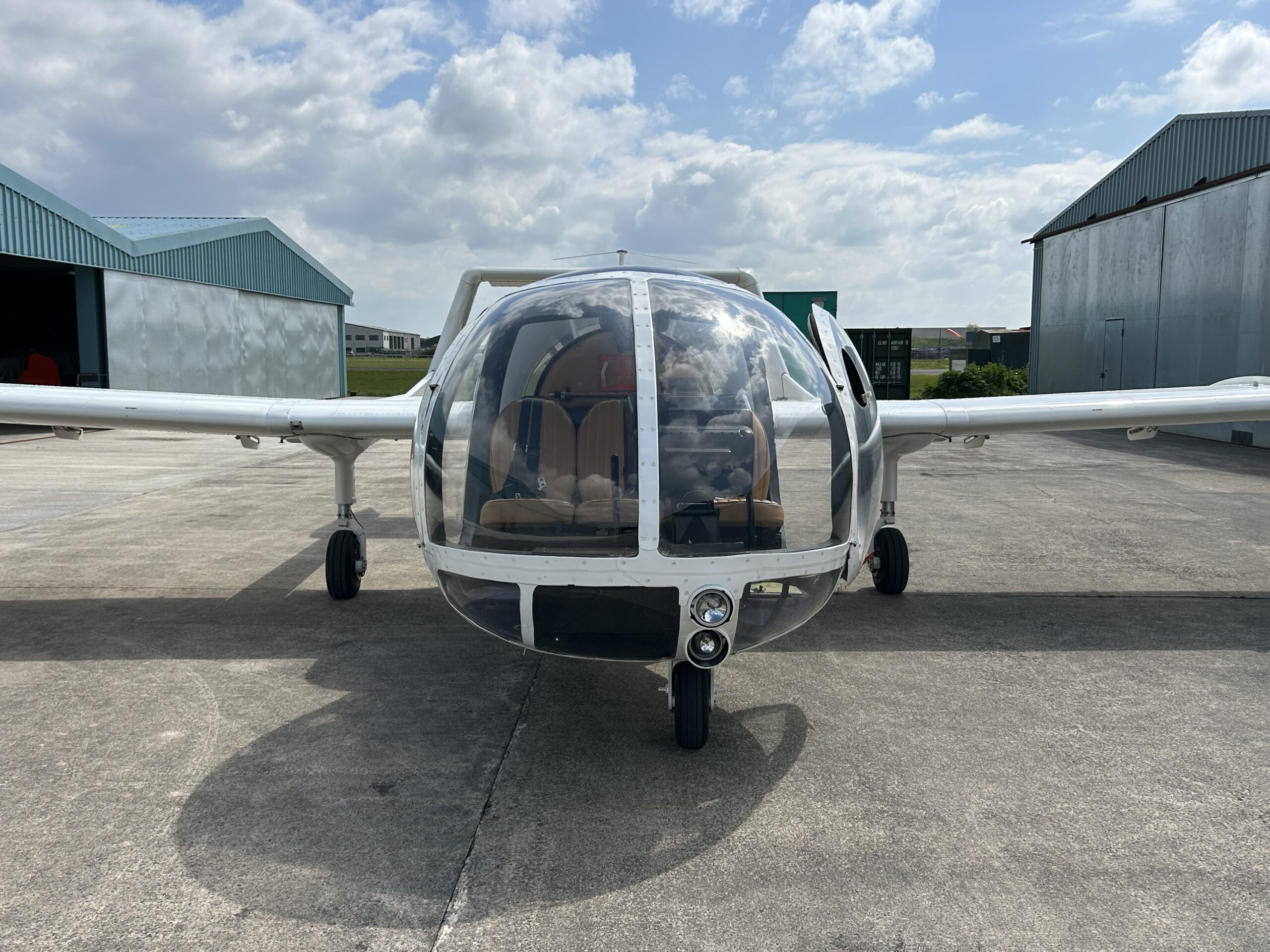
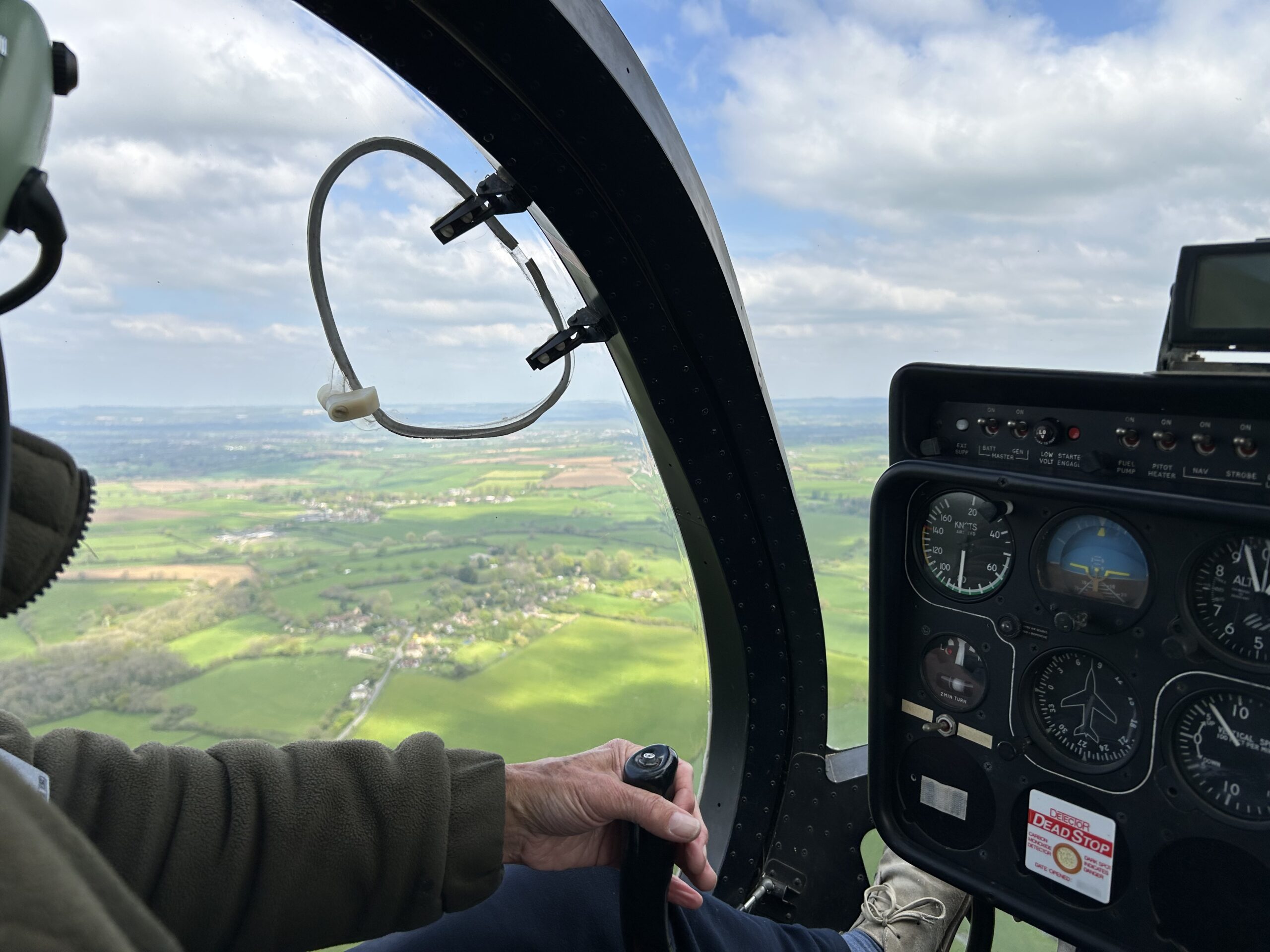
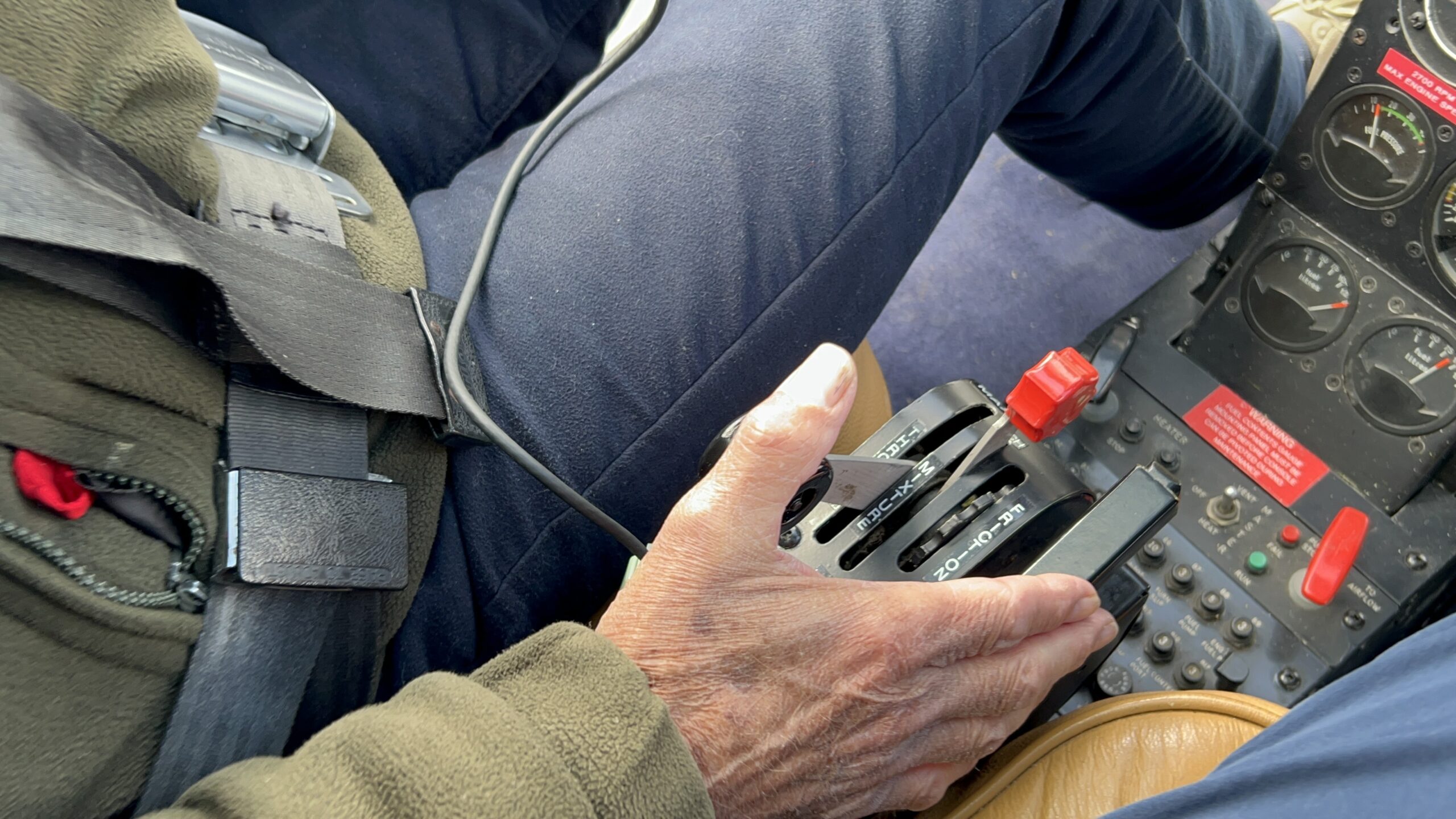
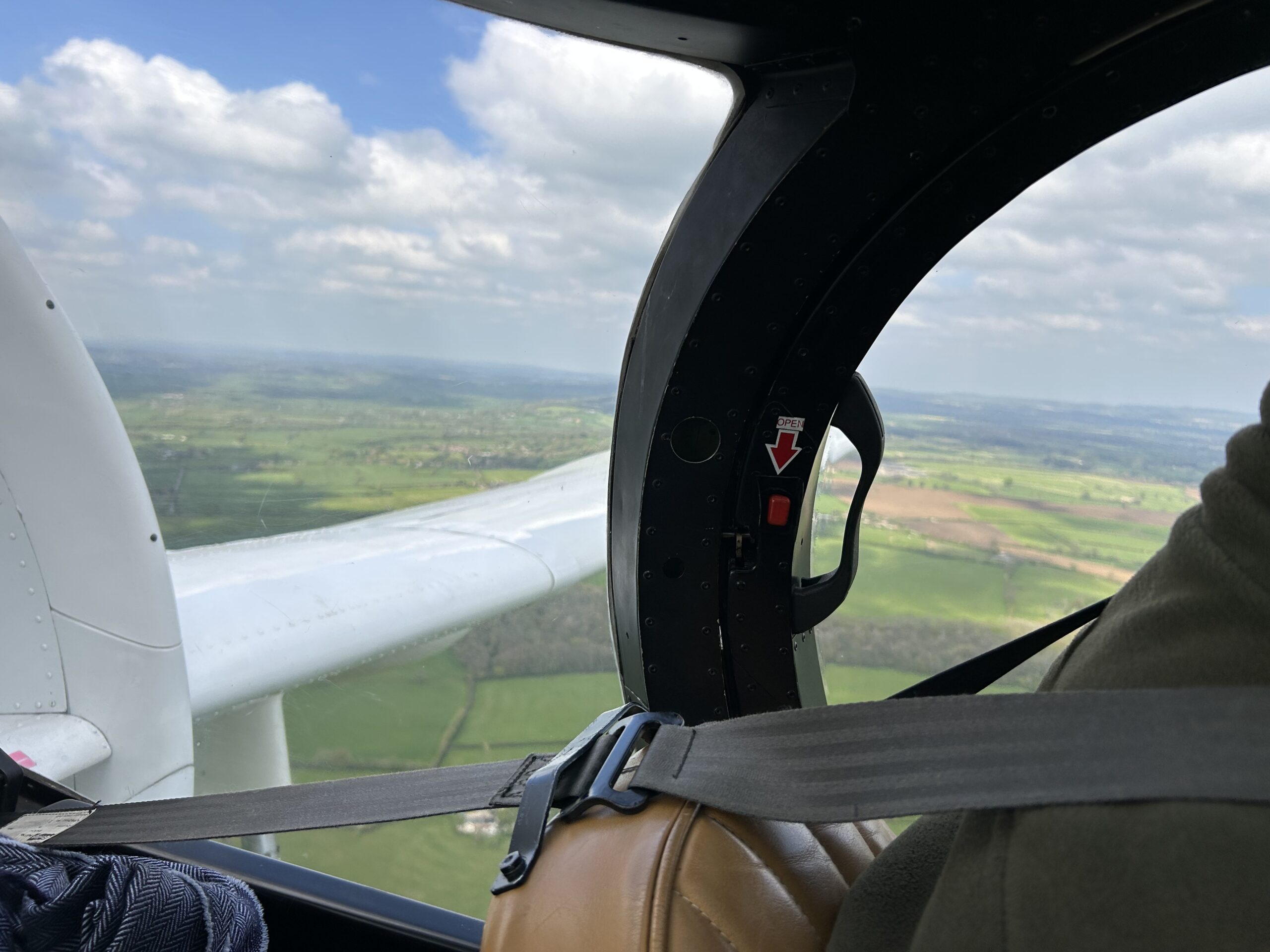
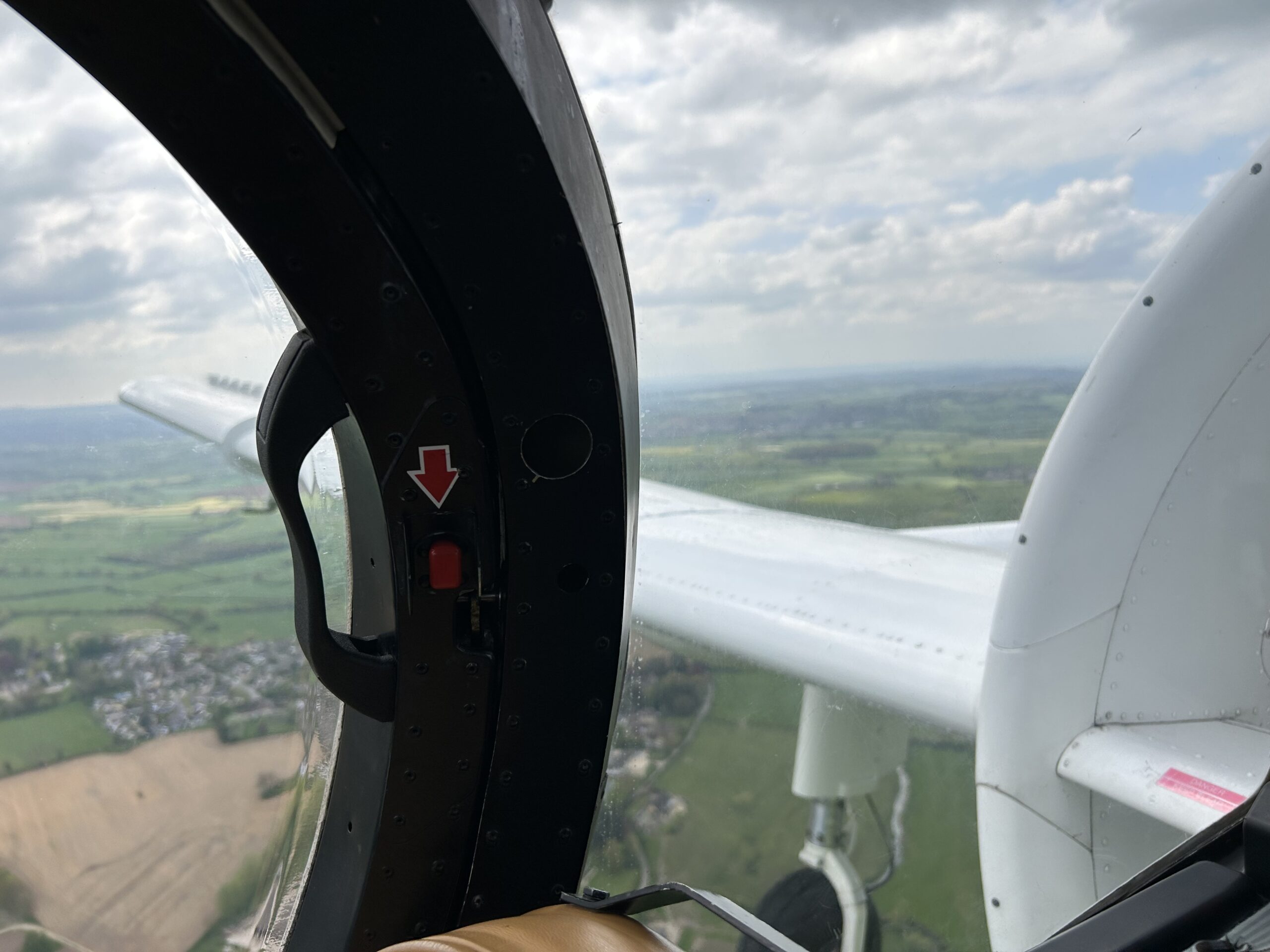
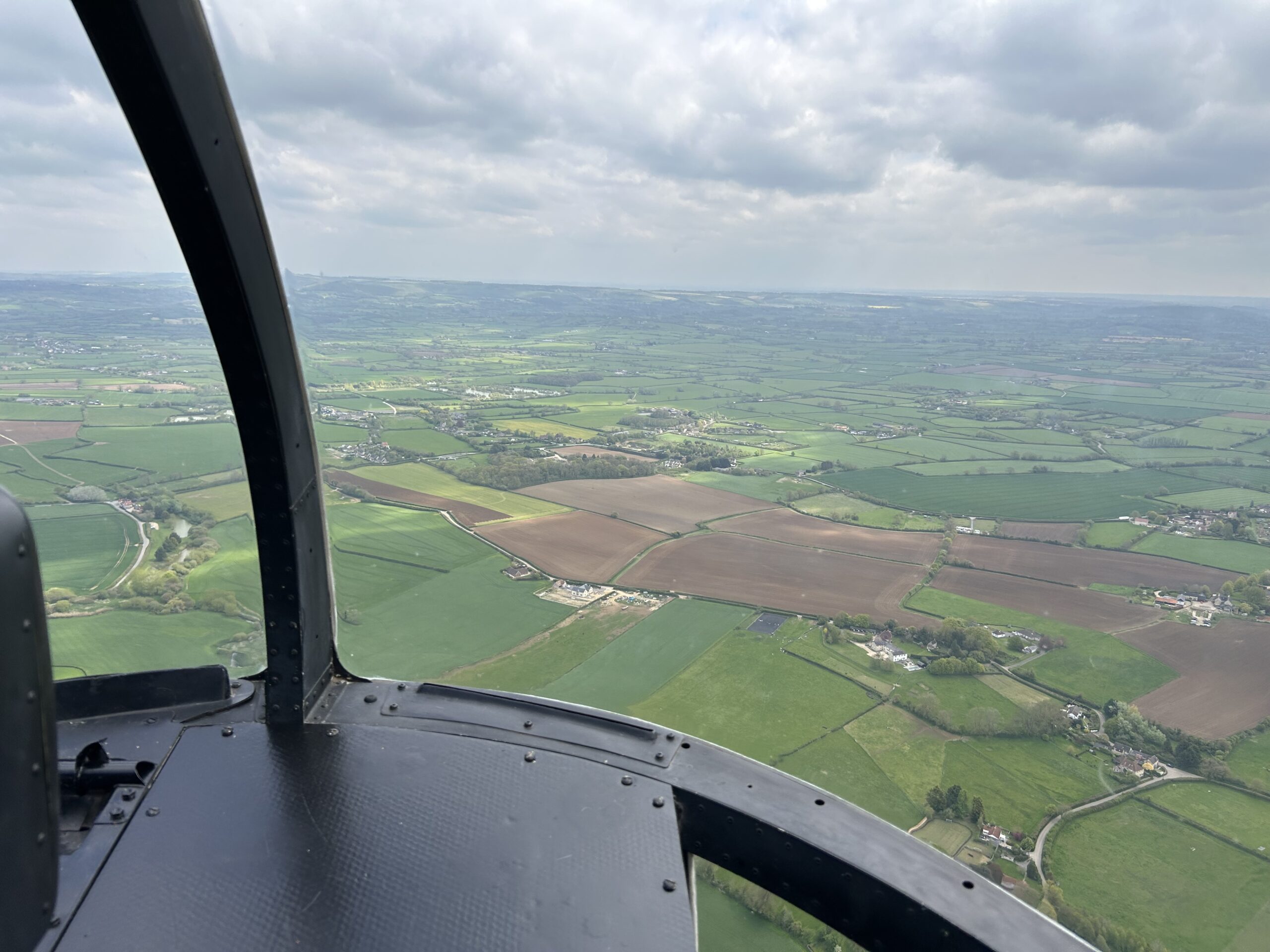
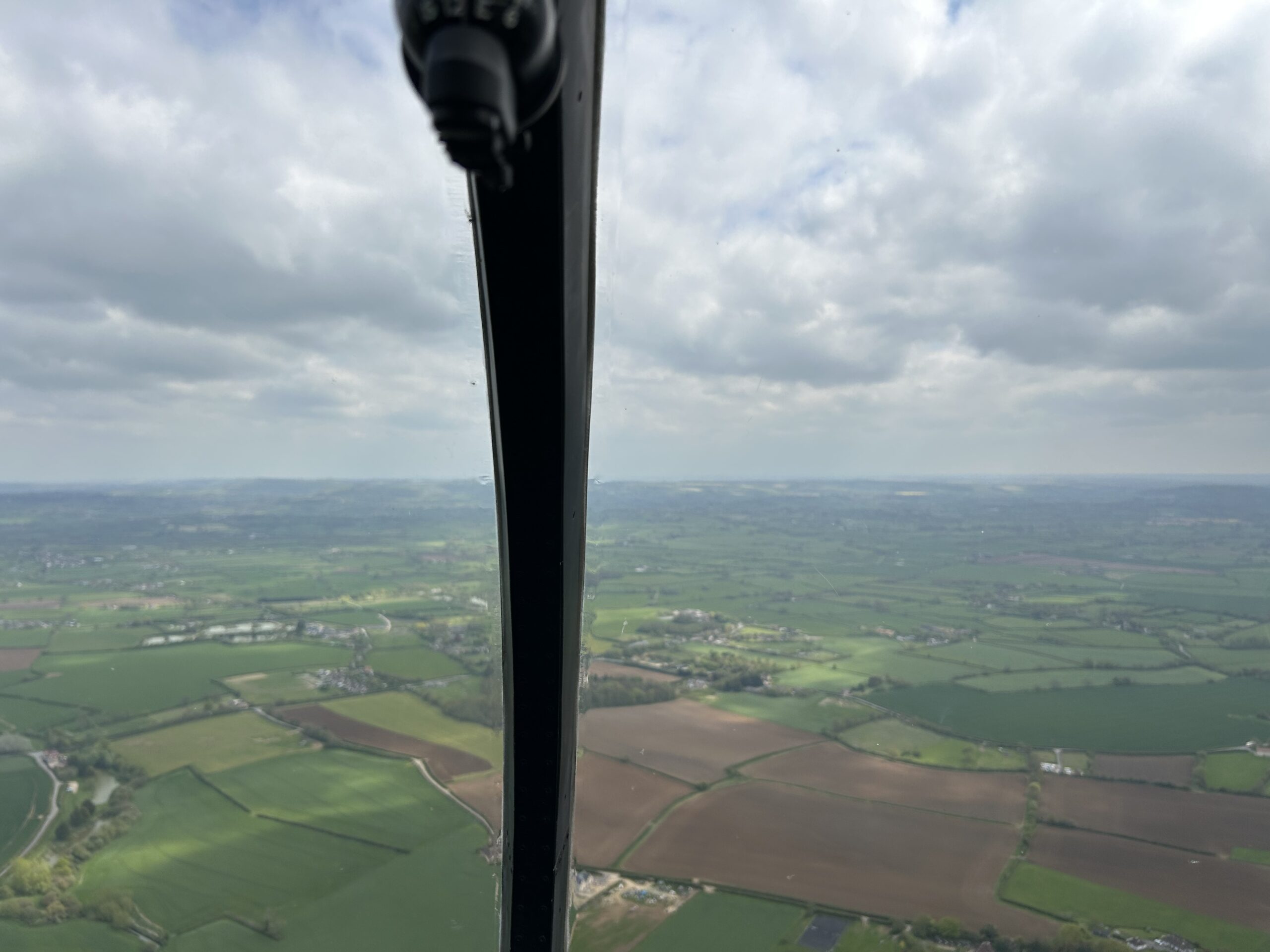
The aircraft has an unusual configuration with a fully glazed forward cabin, reminiscent of a Hiller Model 360 or Hughes Model 269 helicopter, that provides 270° panoramic vision and almost vertical downward vision for the pilot and two passengers. The aircraft has twin booms with twin rudders and a high-mounted tailplane. It is powered by a Lycoming flat-six normally-aspirated engine situated behind the cabin and driving a fixed pitch ducted fan. Due to the ducted fan, the aircraft is exceptionally quiet. The aircraft has a fixed tricycle undercarriage with the nosewheel offset to the left. The wings are unswept and untapered. The aircraft is of fairly standard all-metal construction, with a stressed skin of aluminium.
In 1982, institutional investors bought into the project and set up a production line at Old Sarum Airfield in Wiltshire. Over the next three years, the company was built up to full manufacturing capability, the aircraft received UK certification, and the first customer aircraft was delivered. Despite this success, the additional investment necessary for the final phase of full production was not forthcoming.
The Optica, upgraded to the more powerful Lycoming IO-540,entered production in 1983. Edgley Aircraft Limited obtained its initial Civil Aviation Authority certification on 8 February 1985.
Under new ownership the aircraft went into full production and a total of 22 Optica’s were built, while construction of a 23rd began but was not completed. Ten aircraft were destroyed in an arson attack at the factory.
The Optica went through several changes of ownership, until FLS Aerospace (Lovaux Ltd) took over the rights, together with the design and manufacturing rights to the Sprint: a two-seat ab-initio trainer that had been designed by Sydney Holloway in Cornwall UK at about the same time as the Optica. Lovaux had intended to develop both aircraft, with the Sprint intended as the military trainer for the UK forces. However, the Sprint was not adopted for this role, and Lovaux cancelled both projects.
The Optica and the Sprint together then passed through other owners until, in 2007, they were offered to John Edgley who formed a new company, AeroElvira Limited, with three former employees of Edgley Aircraft (Chris Burleigh, Fin Colson and Dave Lee) who at that time were working on both projects for the then-owners. The new company successfully put G-BOPO back into service as a UK demonstrator, with a first return-to-service flight on 3 June 2008.
General characteristics
Crew: 3
Length: 8.15 m (26 ft 9 in)
Wingspan: 12.00 m (39 ft 4 in)
Height: 2.31 m (7 ft 7 in)
Wing area: 15.84 m2 (170.5 sq ft)
Aspect ratio: 9.1:1
Airfoil: NASA GA(W)-1
Empty weight: 948 kg (2,090 lb)
Max takeoff weight: 1,315 kg (2,899 lb)
Fuel capacity: 250 L (66 US gal; 55 imp gal) useful capacity
Powerplant: 1 × Textron Lycoming IO-540-V4A5D air-cooled flat-six engine, 190 kW (260 hp)
Propellers: 5-bladed fixed-pitch ducted fan
Performance
Maximum speed: 213 km/h (132 mph, 115 kn)
Cruise speed: 130 km/h (81 mph, 70 kn) (loiter speed, 40% power)
Stall speed: 108 km/h (67 mph, 58 kn) outboard flaps up
Never exceed speed: 259 km/h (161 mph, 140 kn)
Range: 1,056 km (656 mi, 570 nmi) at 130 km/h (81 mph; 70 kn) (45-minute reserves)
Endurance: 8 h (at loiter speed)
Service ceiling: 4,275 m (14,026 ft)
Rate of climb: 4.1 m/s (810 ft/min)